
From Bush to Bottle: Field Day Showcases Climate-Smart Innovation in Georgia’s Blueberry Value Chain
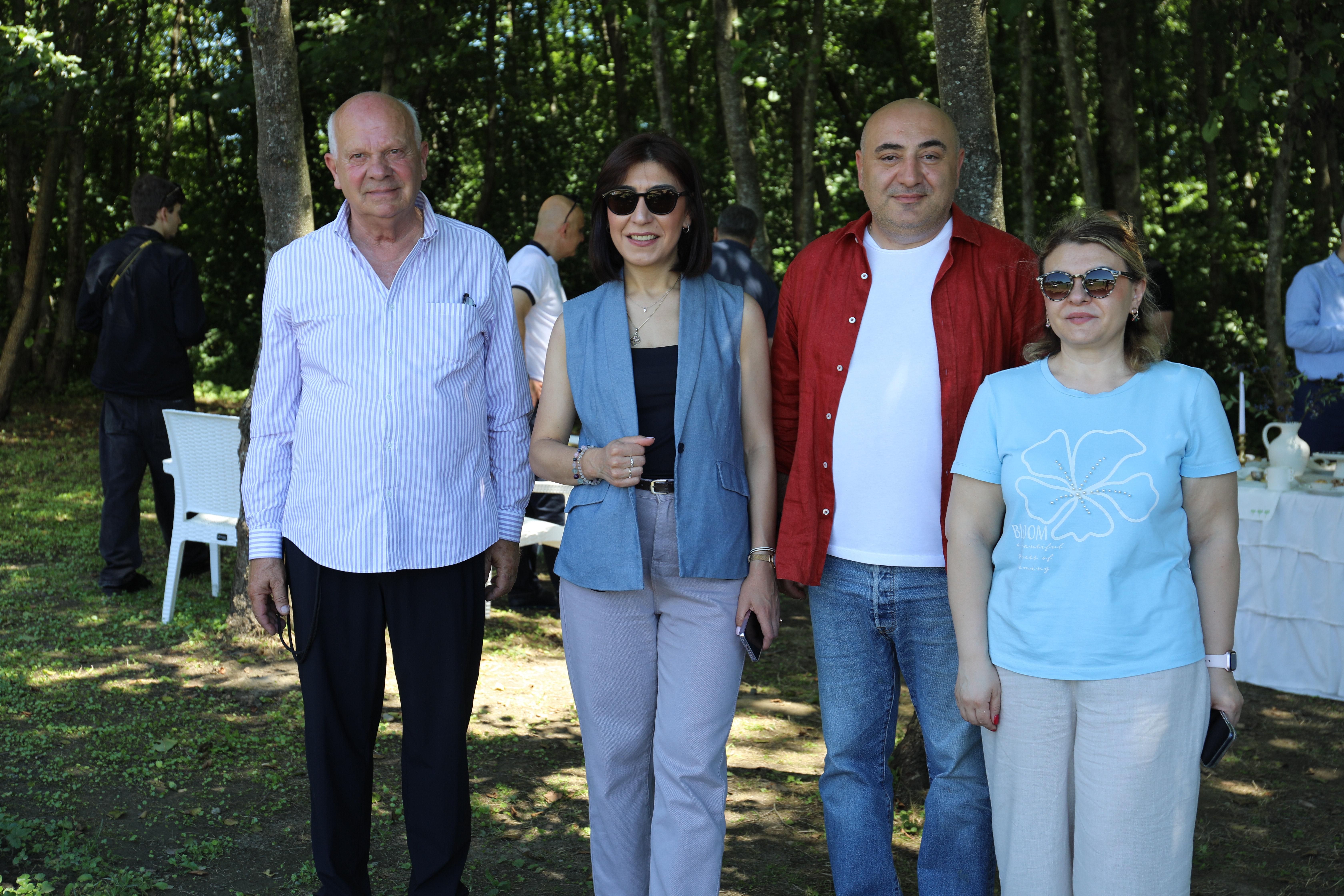
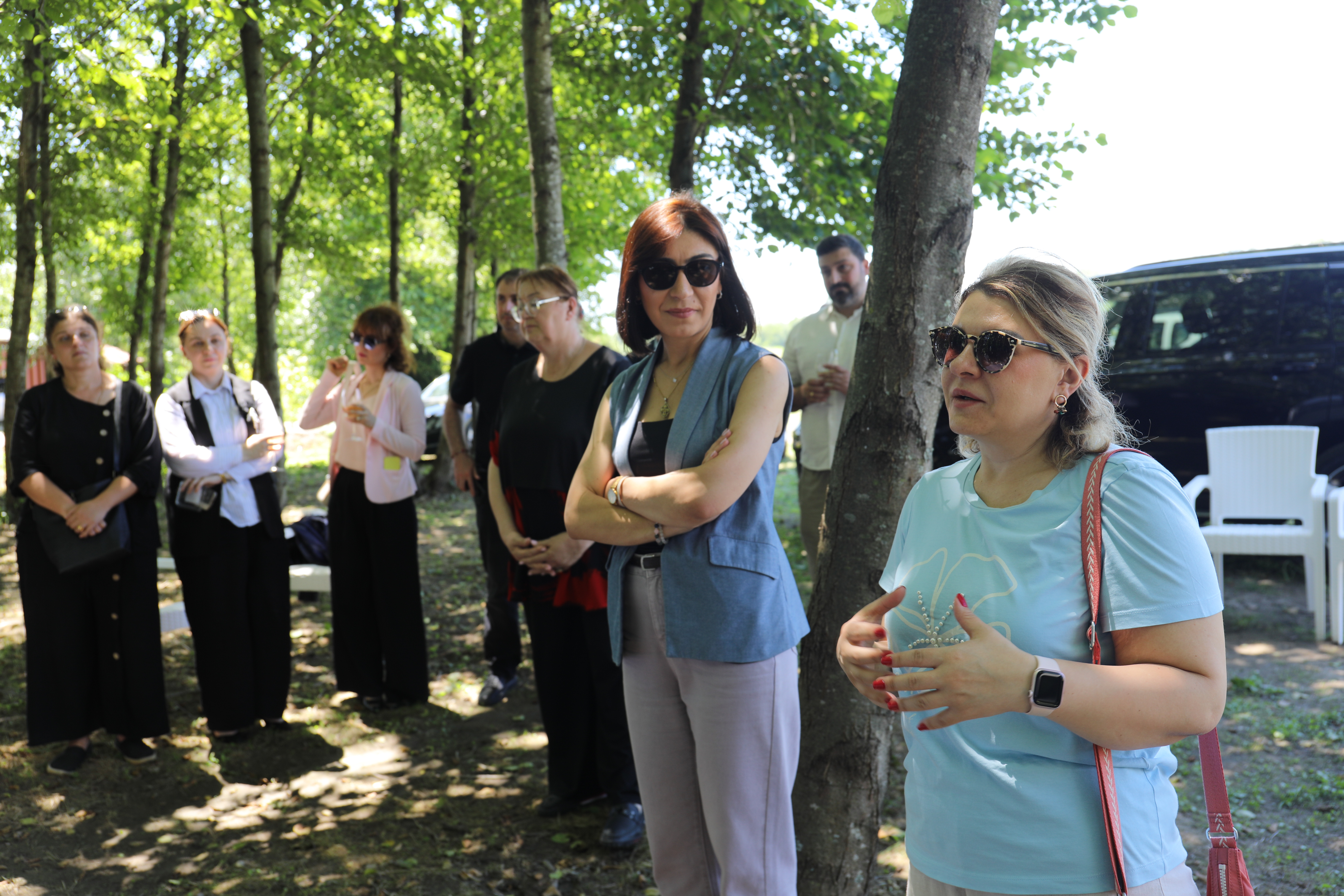
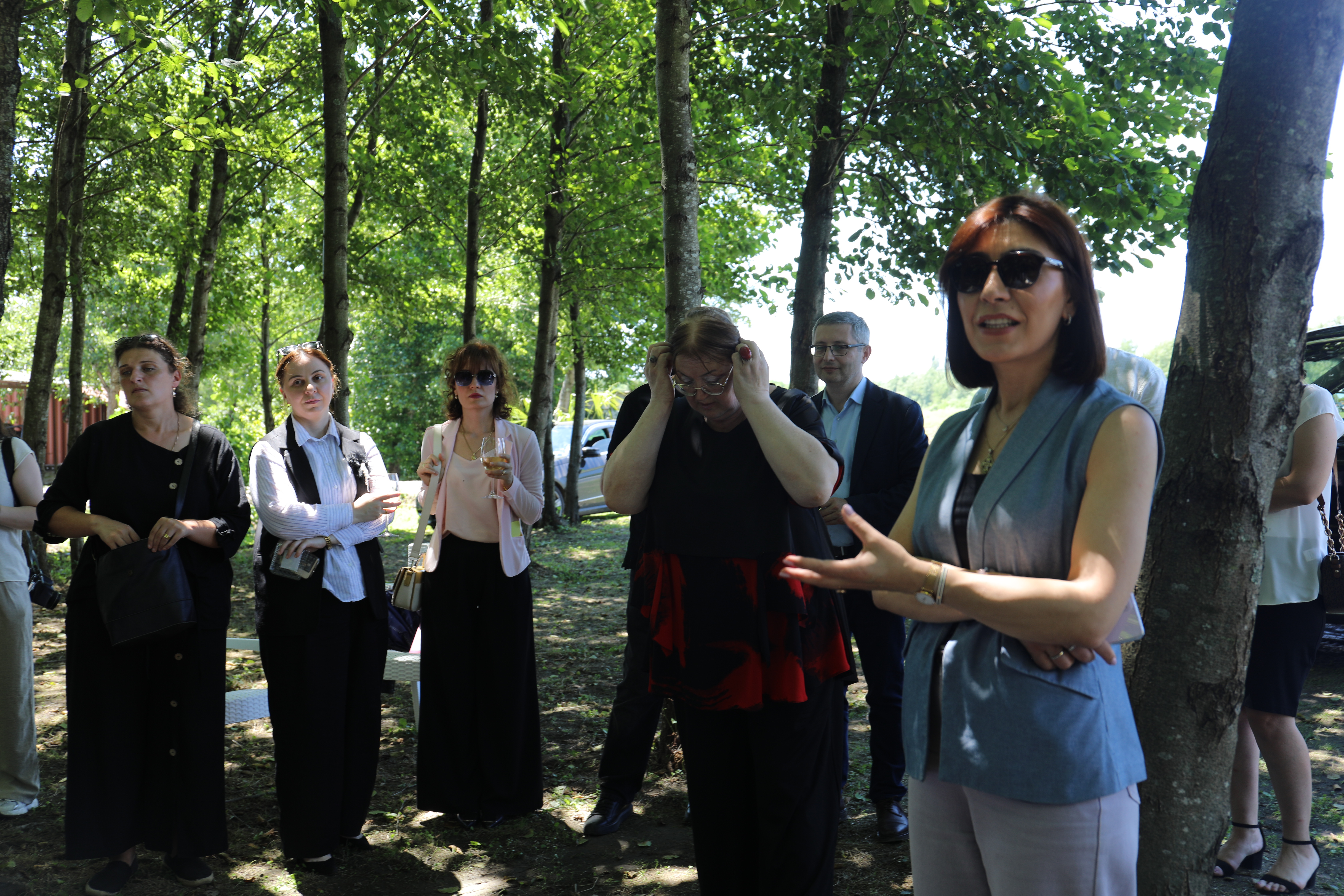
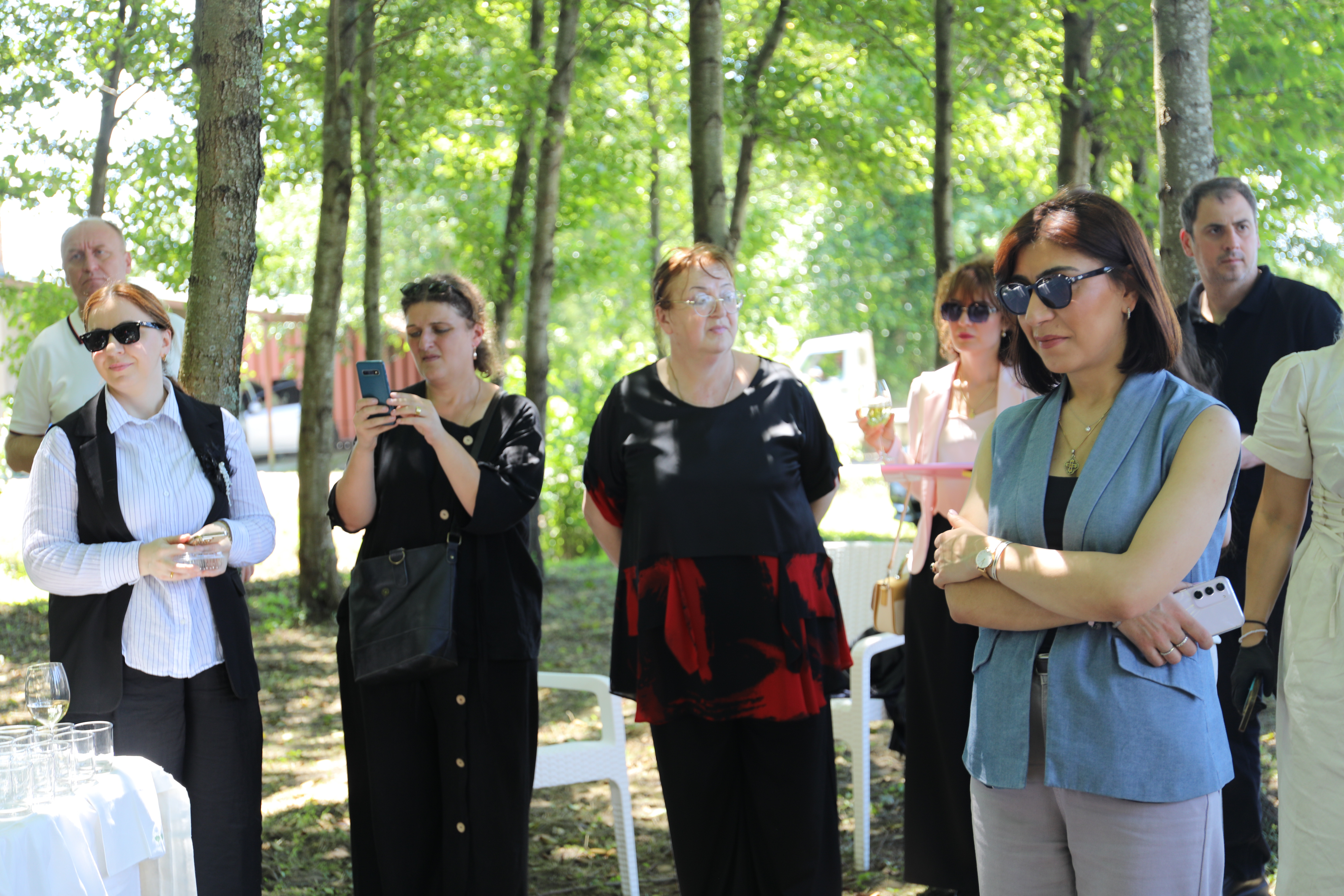
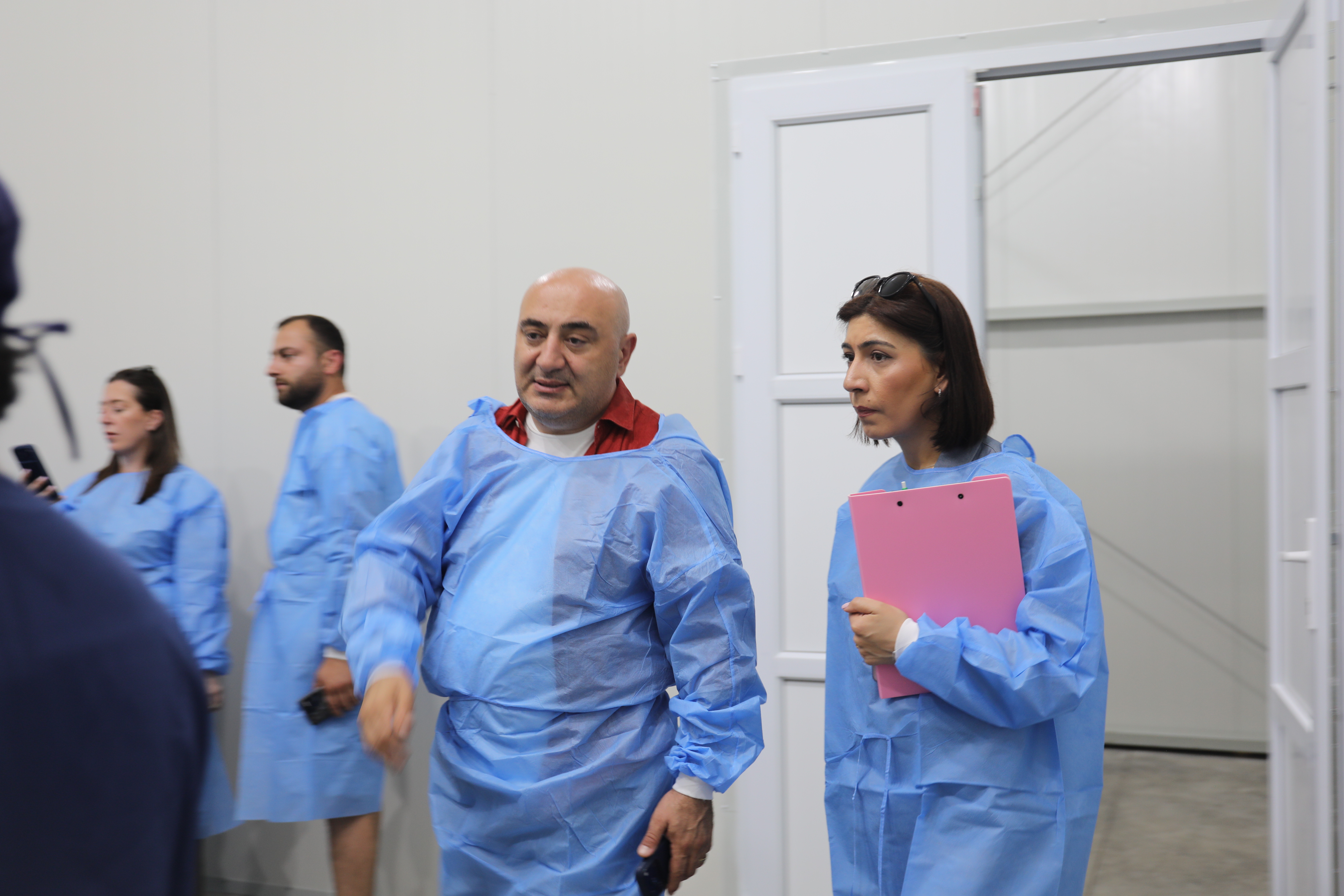
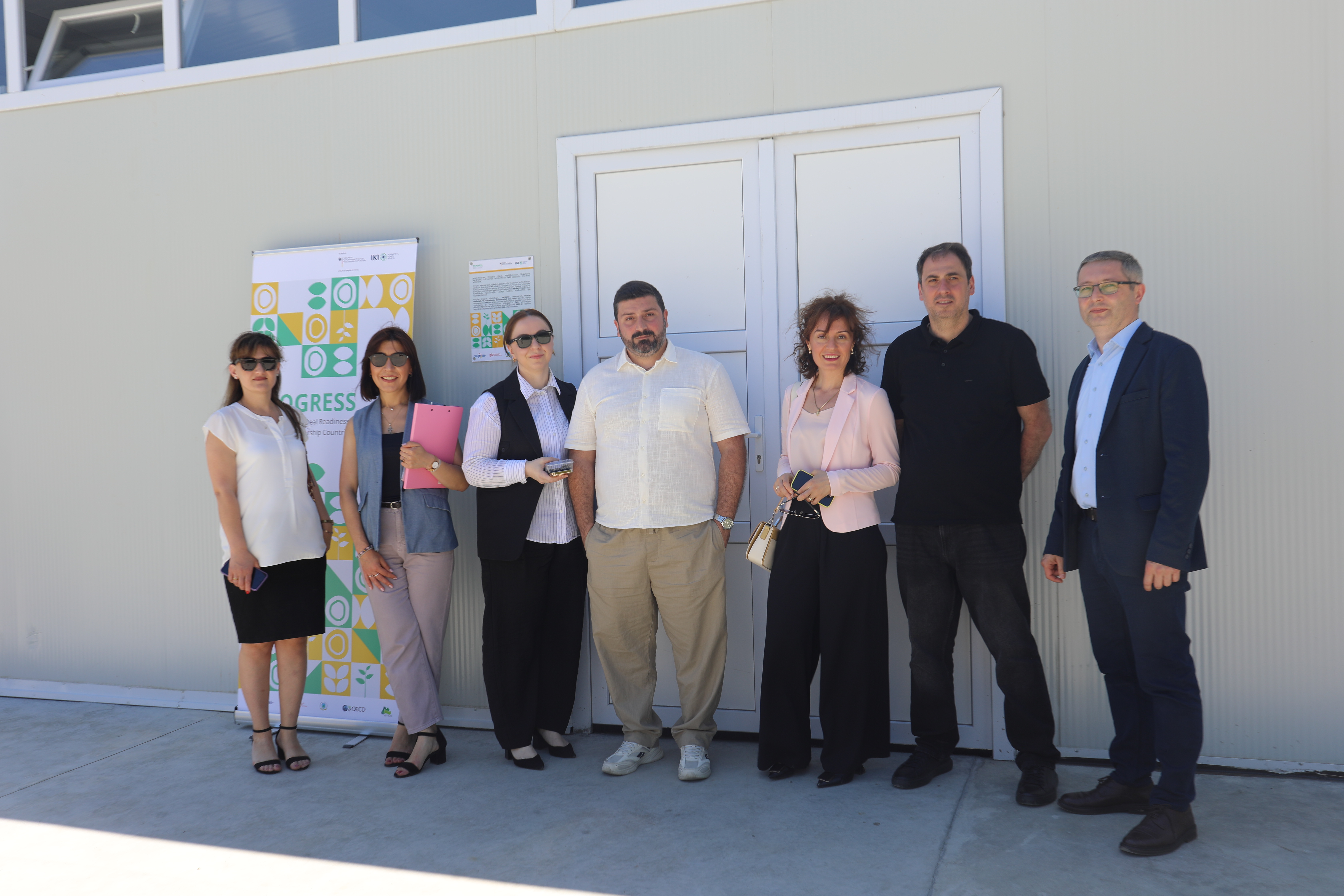
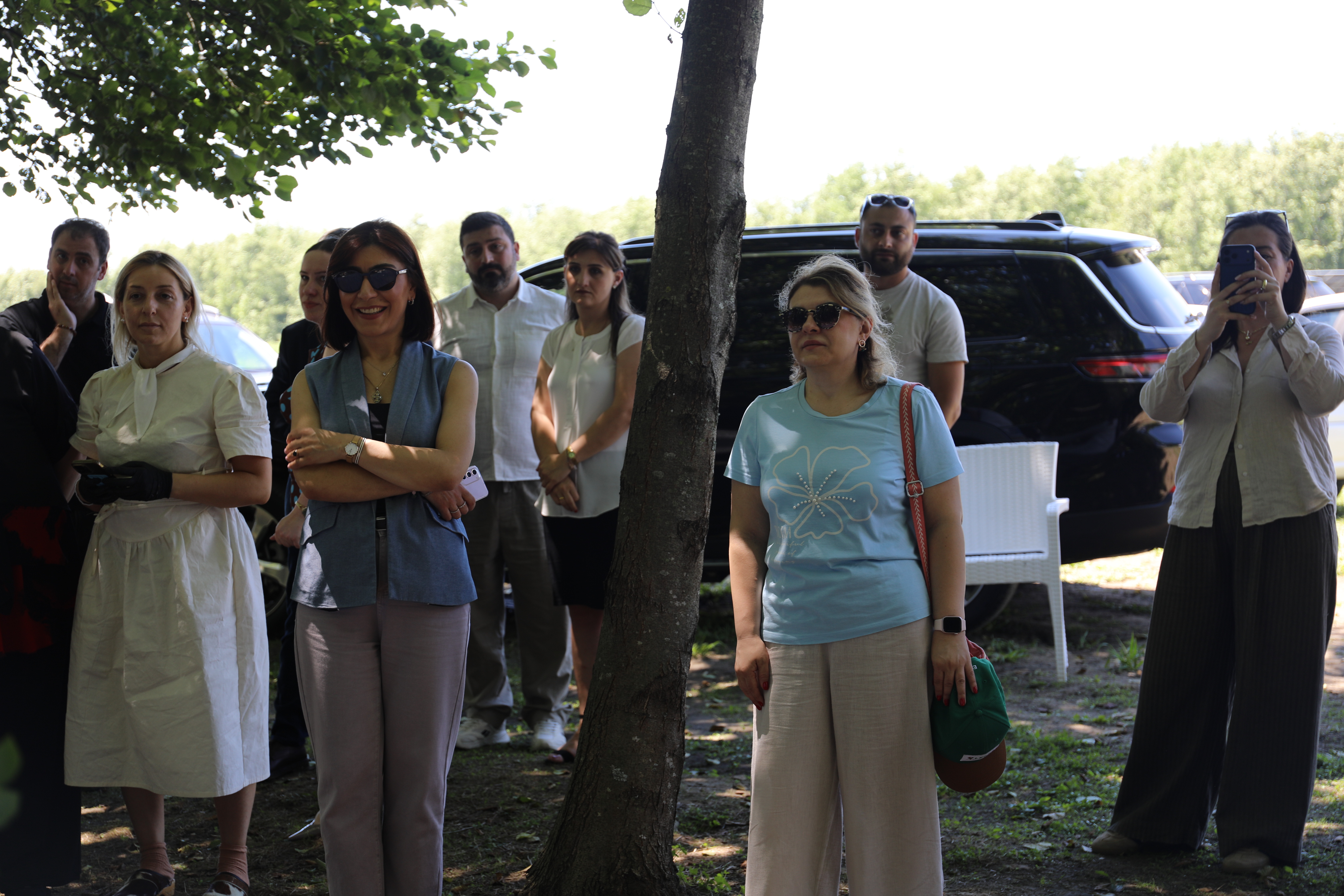
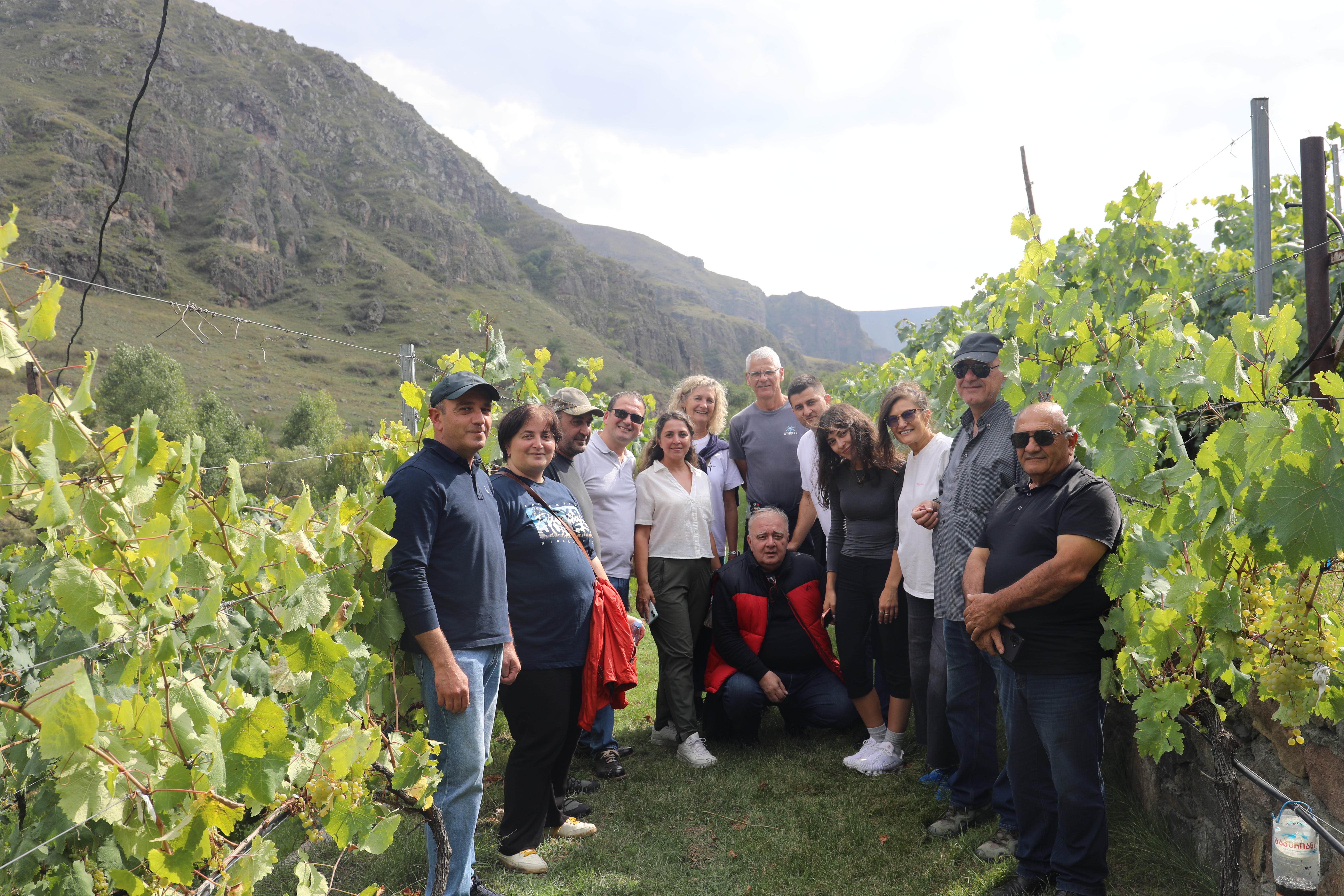
Farmers, agribusiness representatives, researchers, and agricultural experts gathered in Kutiri village, Khoni Municipality, for a field day dedicated to demonstrating innovative approaches to sustainable blueberry production and processing. Organized by REC Caucasus with the support of GIZ under the PROGRESS initiative, the event highlighted how climate-smart technologies and value-added processing can strengthen the competitiveness and resilience of Georgia’s blueberry sector.
Serving as a practical continuation of the regional B2B forum held in Kutaisi, the field day enabled participants to observe innovative solutions directly in a working agricultural enterprise. While the B2B event focused on strategic discussions and knowledge exchange, the field visit demonstrated how these approaches are successfully implemented in practice.
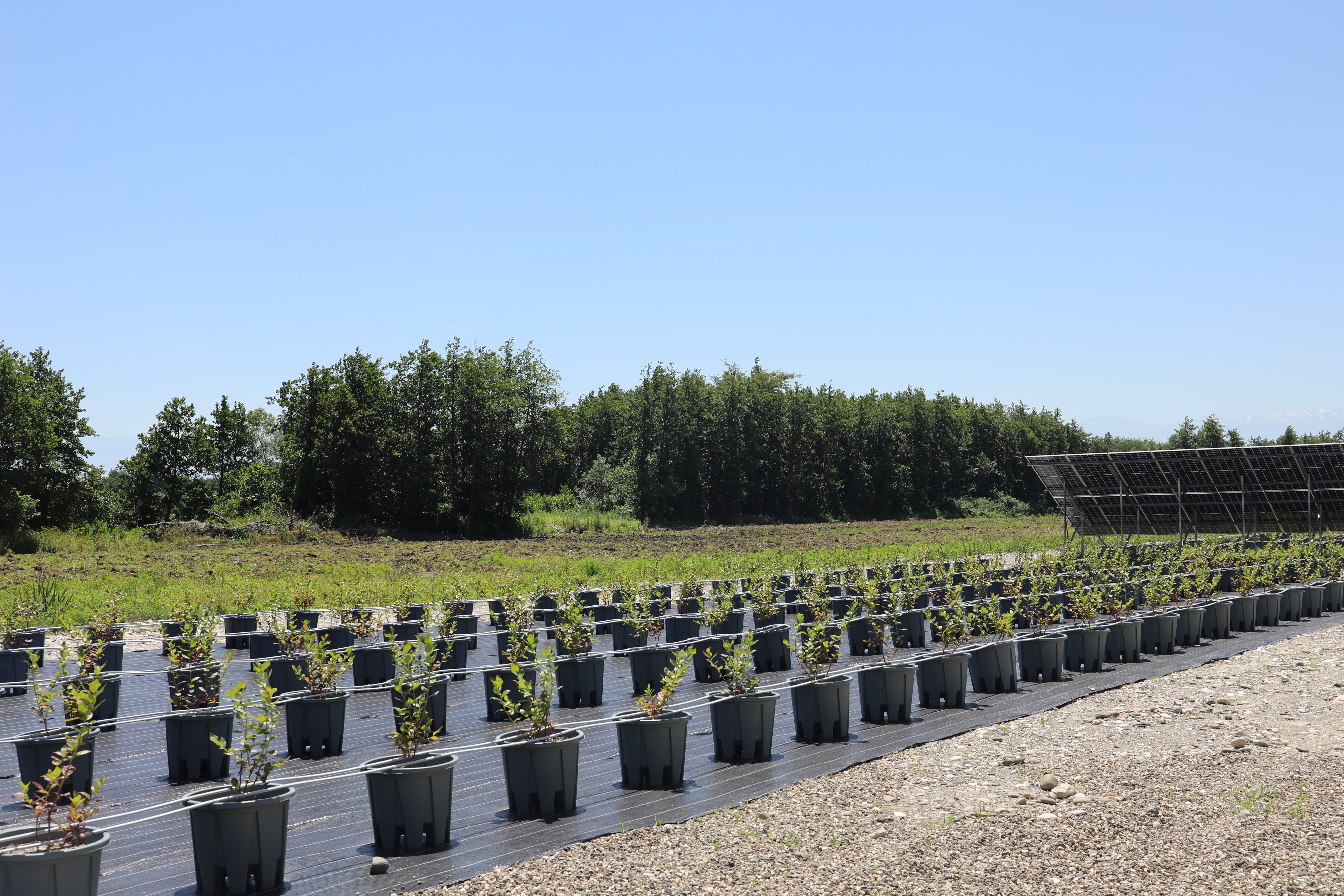
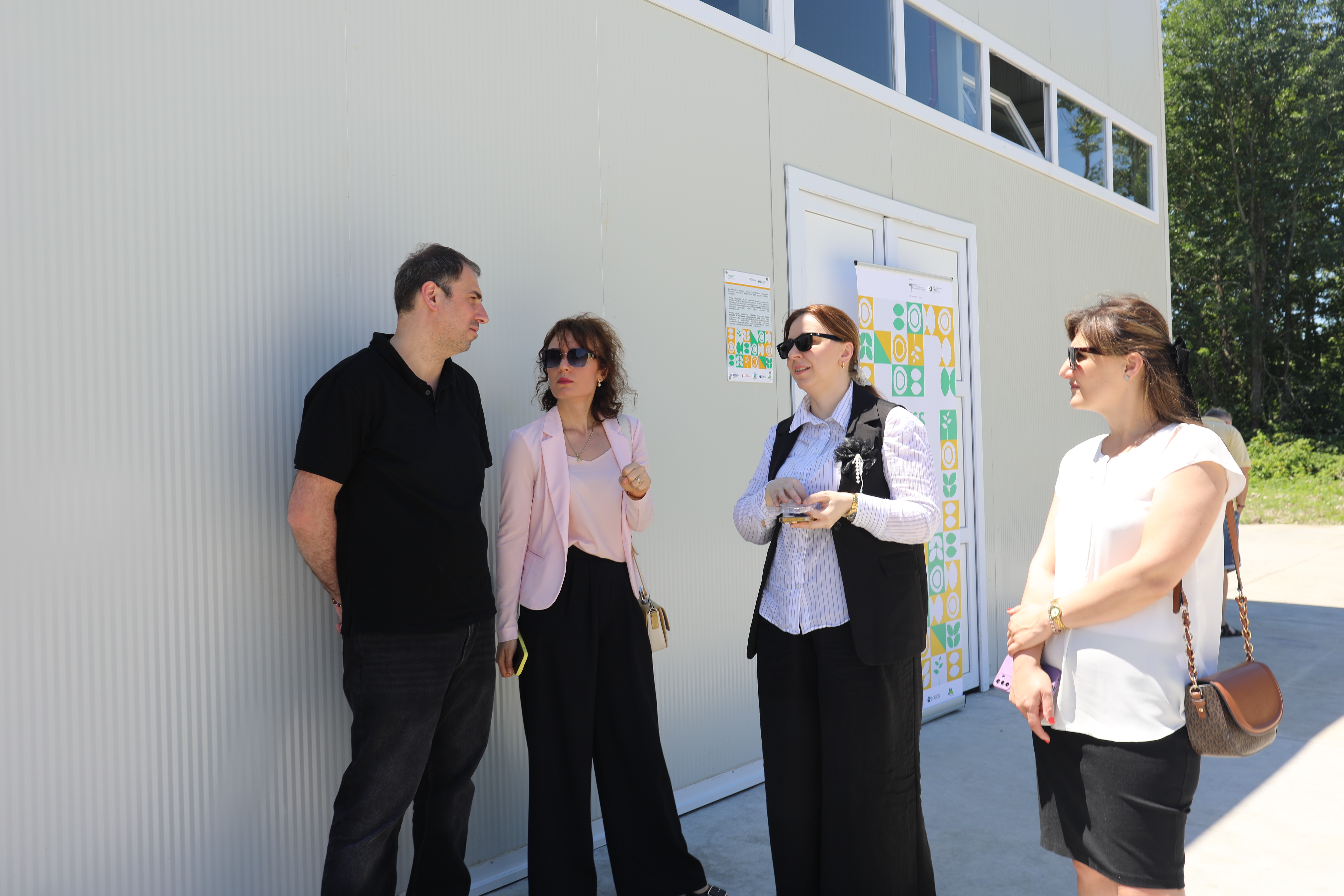
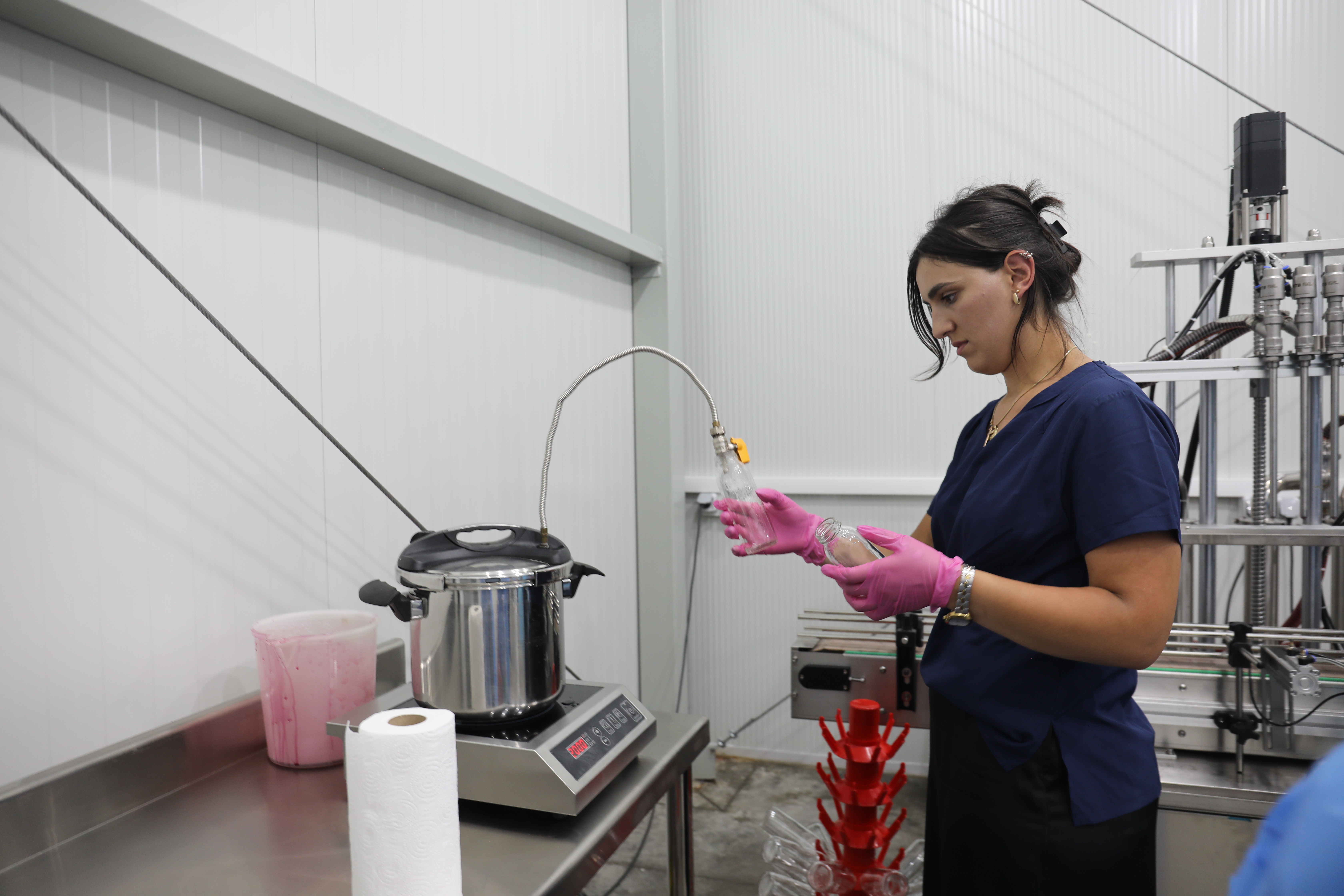
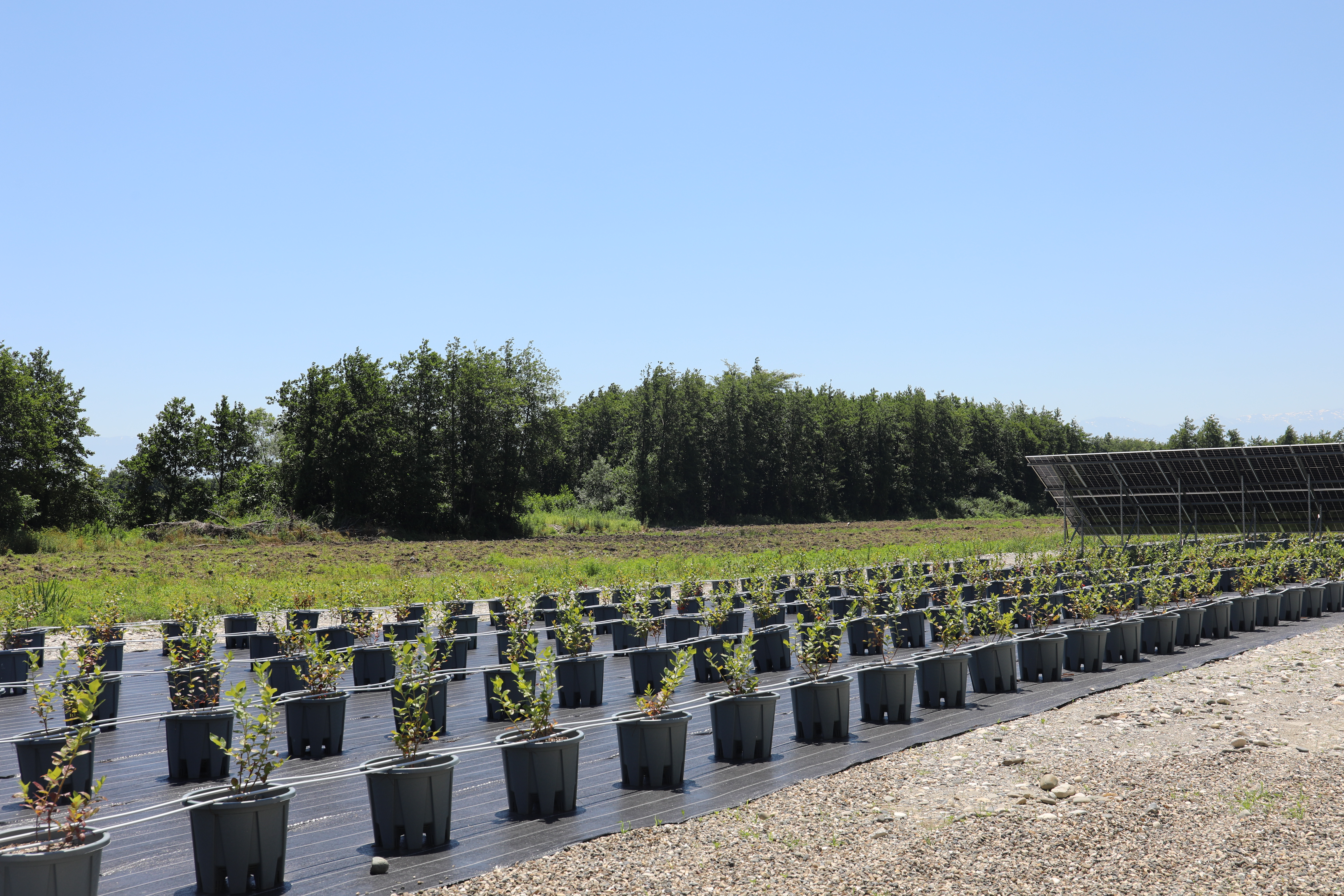
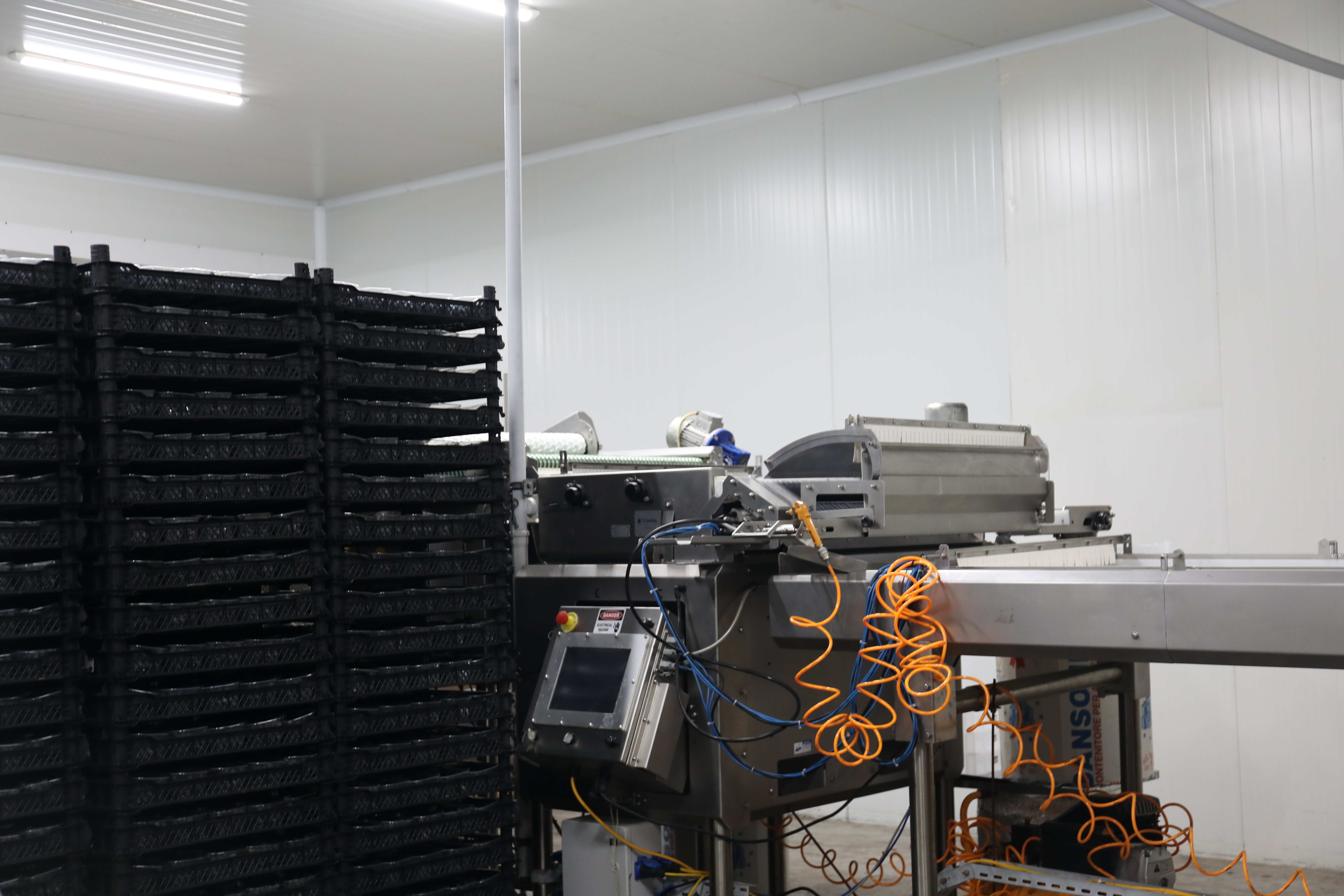
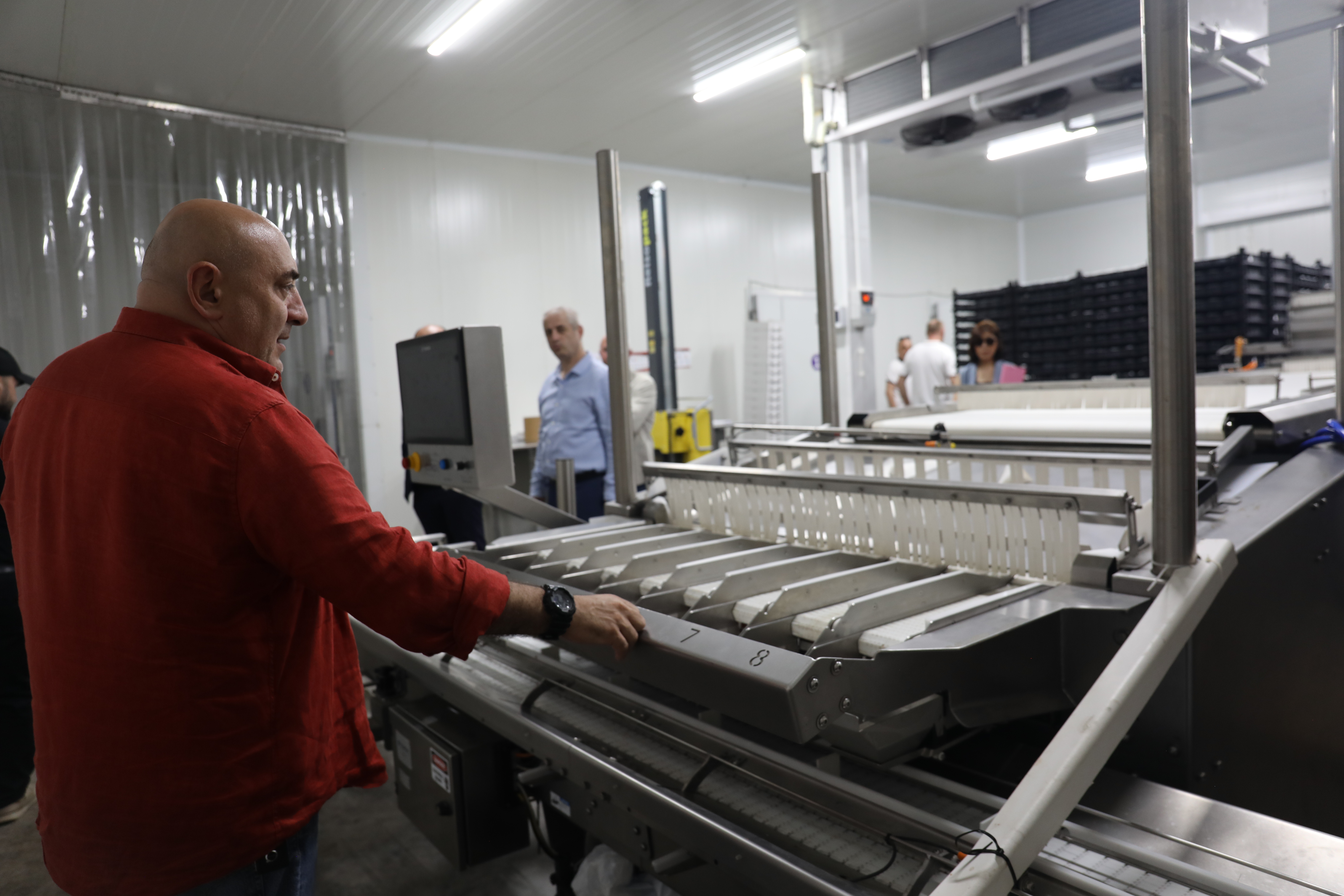
Participants visited a 30-hectare blueberry plantation and a newly established blueberry juice processing facility supported through the project. The demonstration showcased the complete production chain-from harvesting fresh blueberries to producing 100% natural blueberry juice-illustrating how processing can significantly reduce post-harvest losses while creating additional value for farmers.
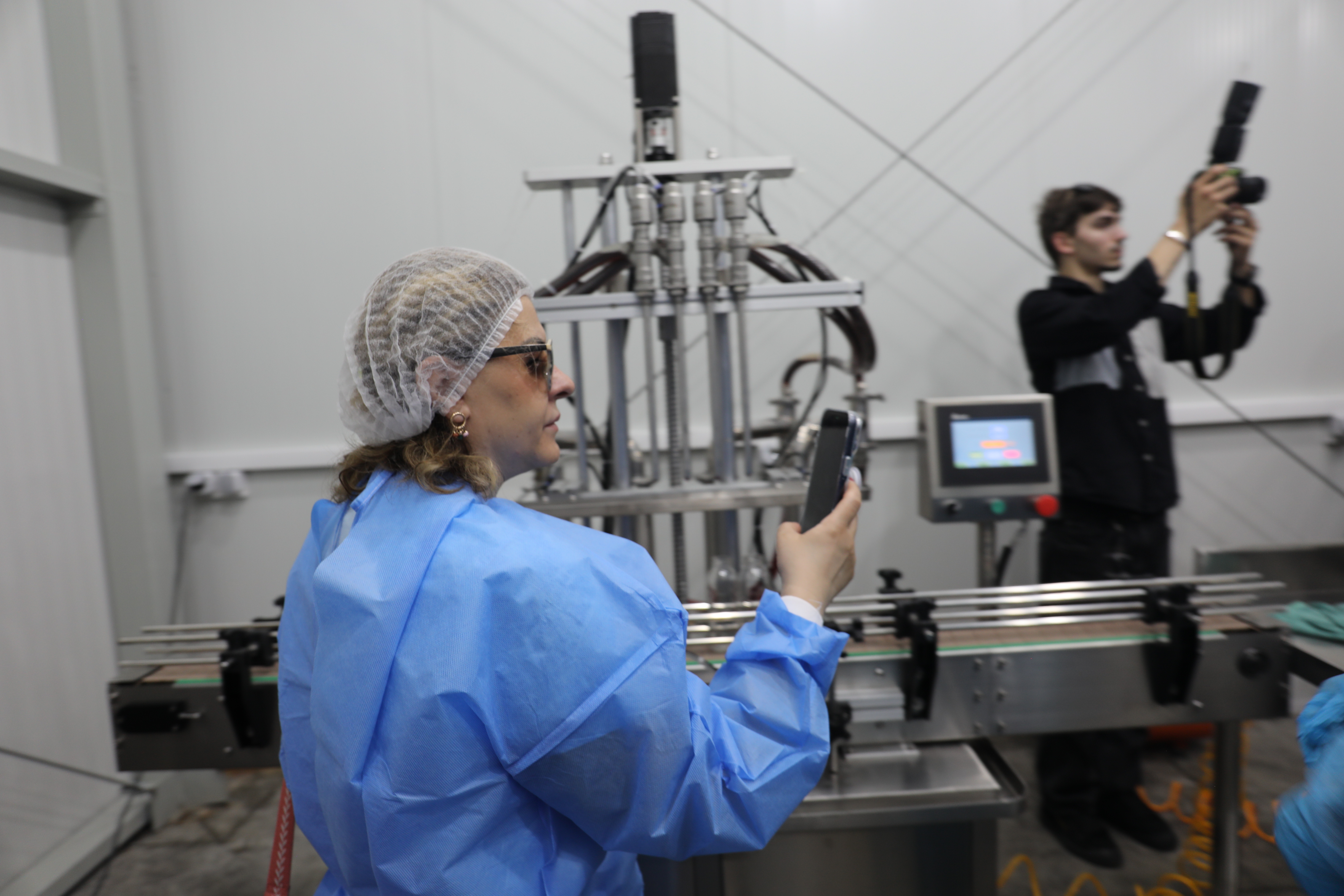
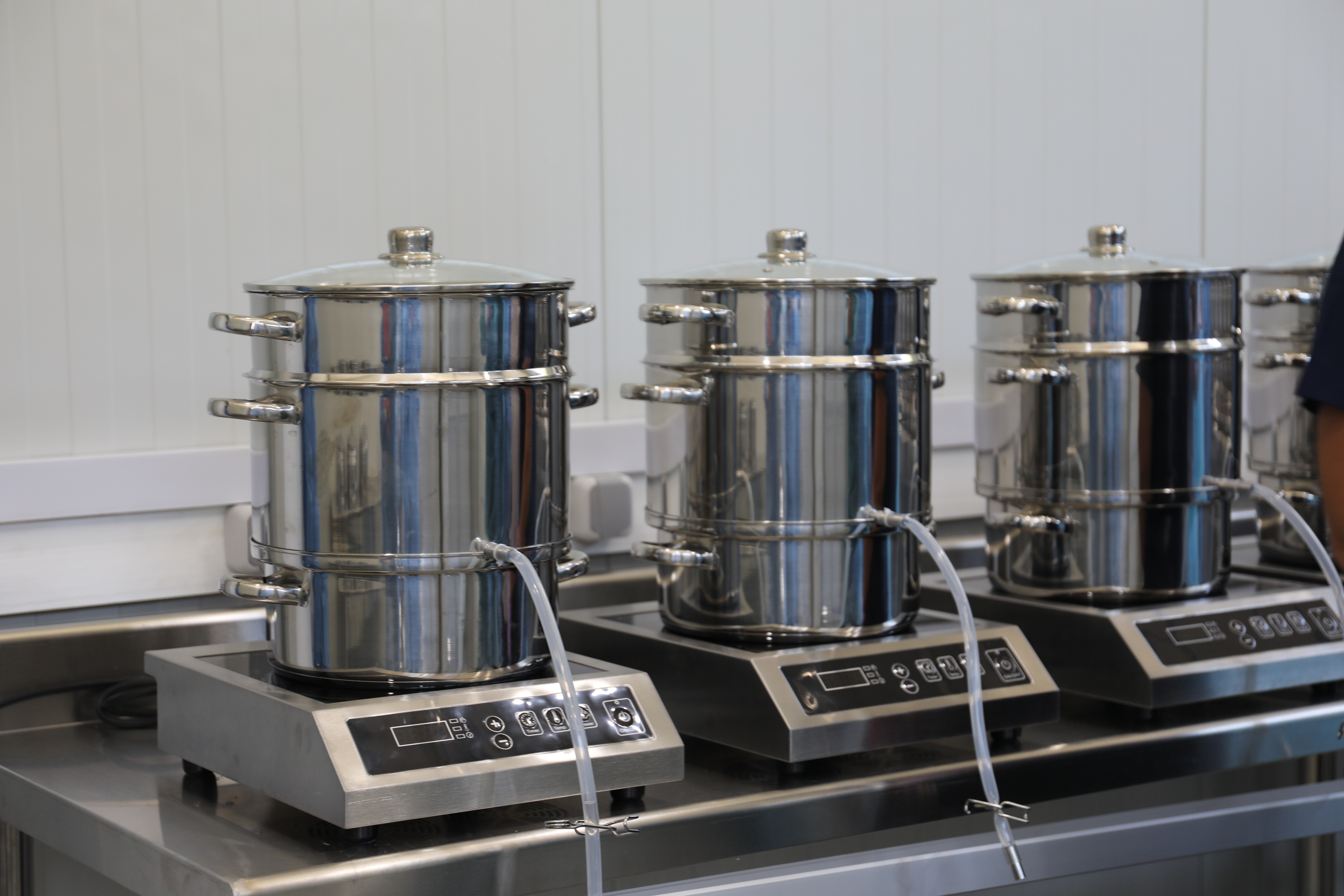
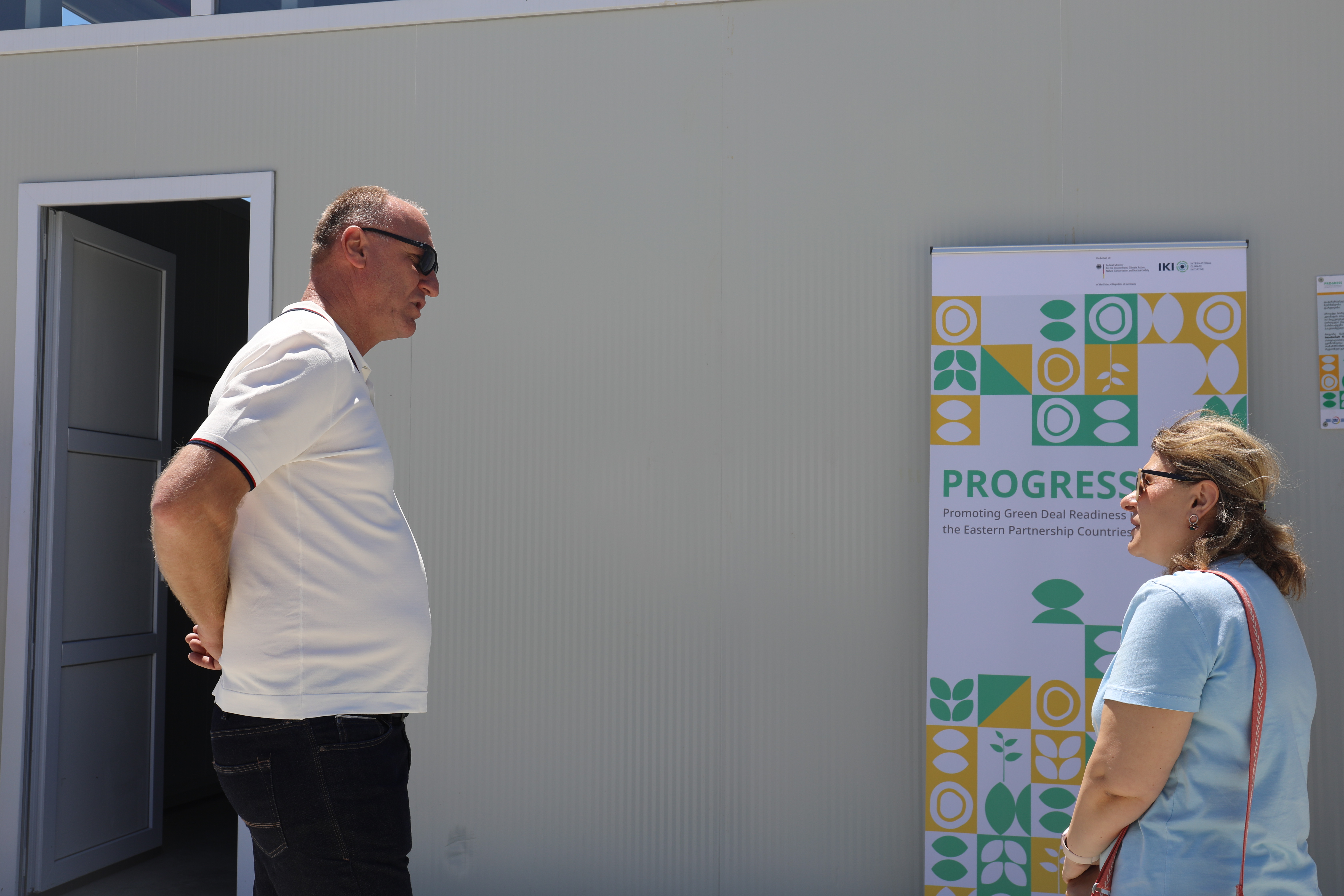
During the visit, the project beneficiary explained how second-grade blueberries, which previously had limited market opportunities, are now transformed into high-quality natural juice using steam-processing technology. Powered entirely by renewable energy through a 20-kW solar system, the processing facility represents an environmentally friendly production model that minimizes waste while reducing operational costs. The beneficiary also emphasized the facility's social impact through the employment of local women and its commitment to internationally recognized food safety standards.
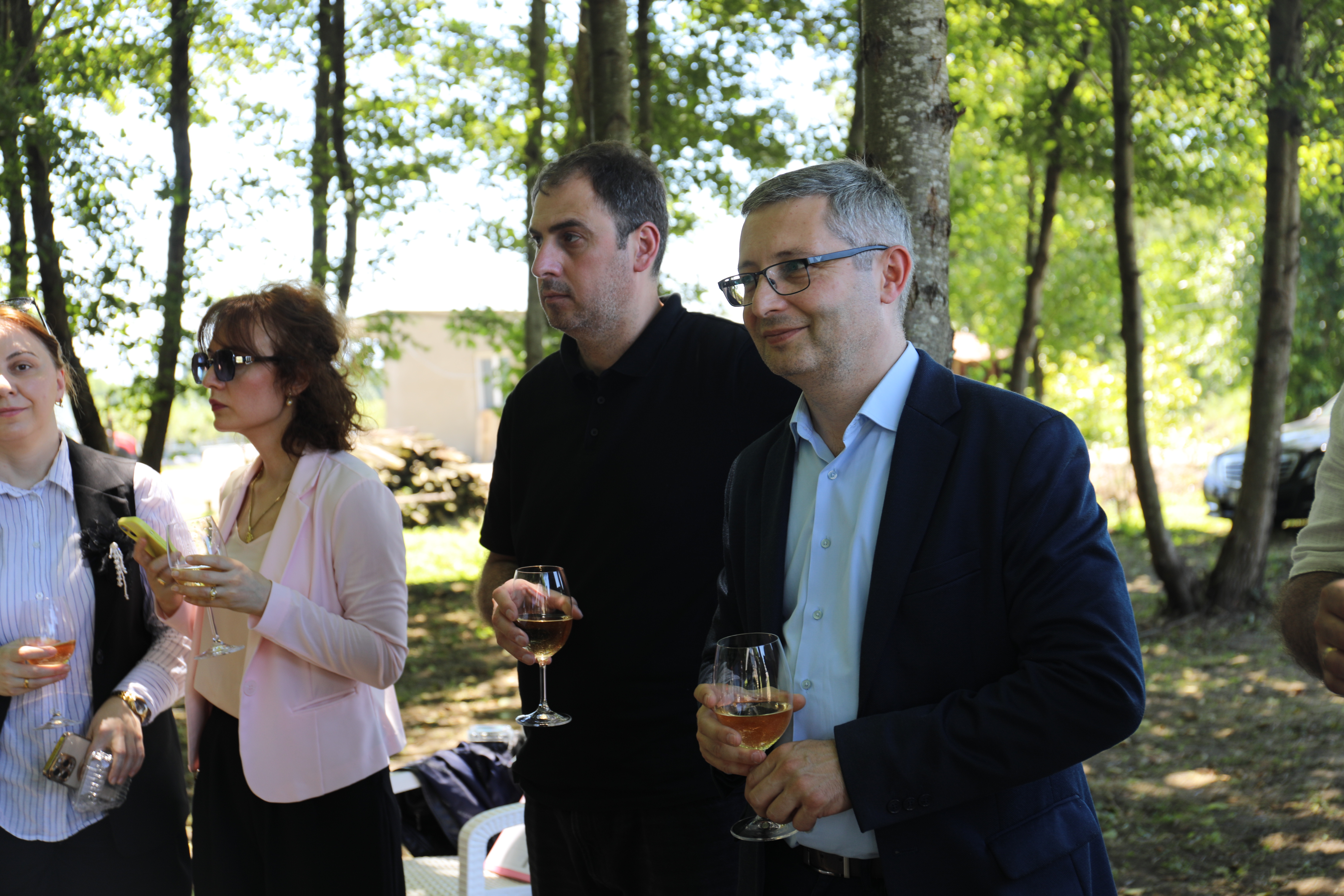
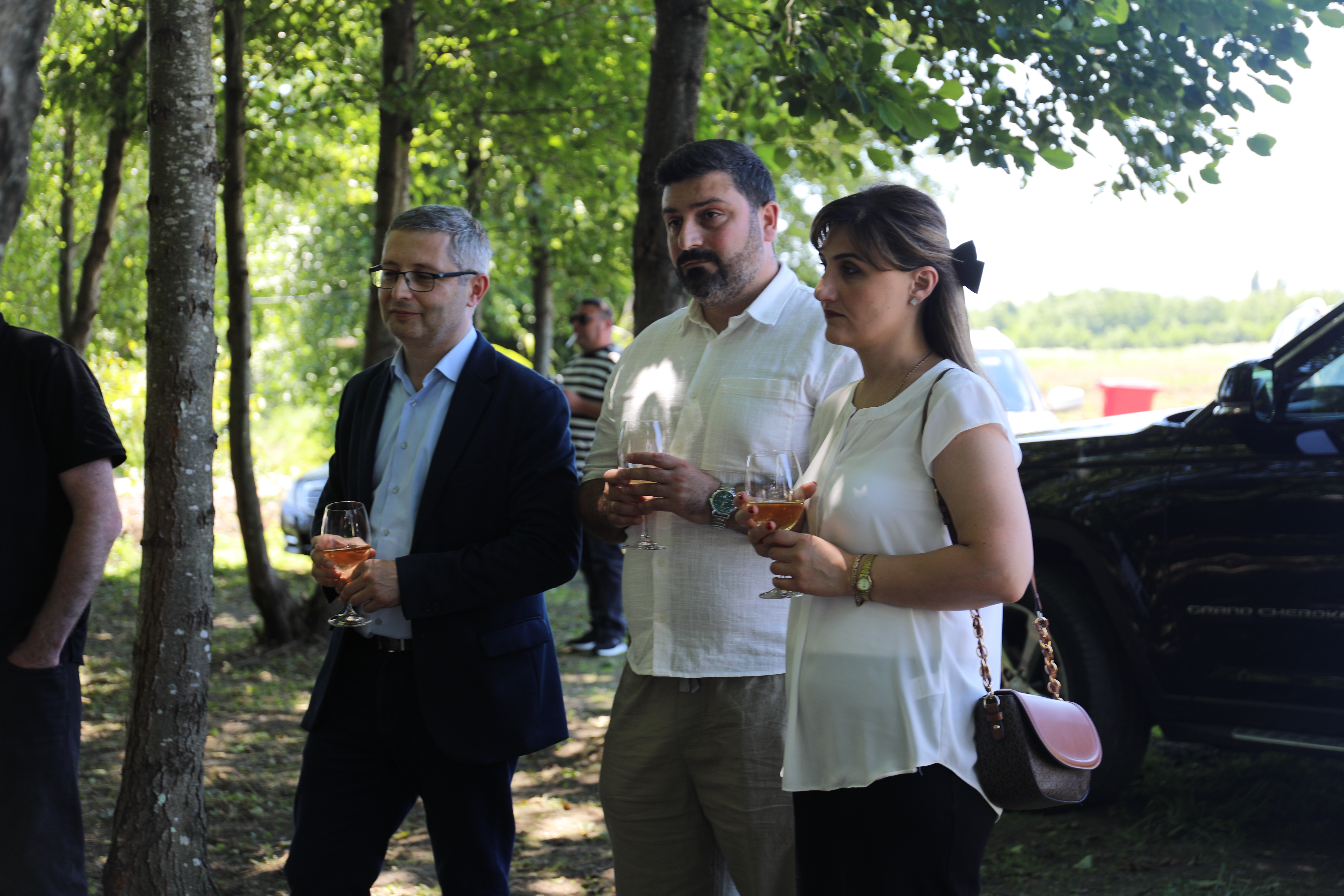
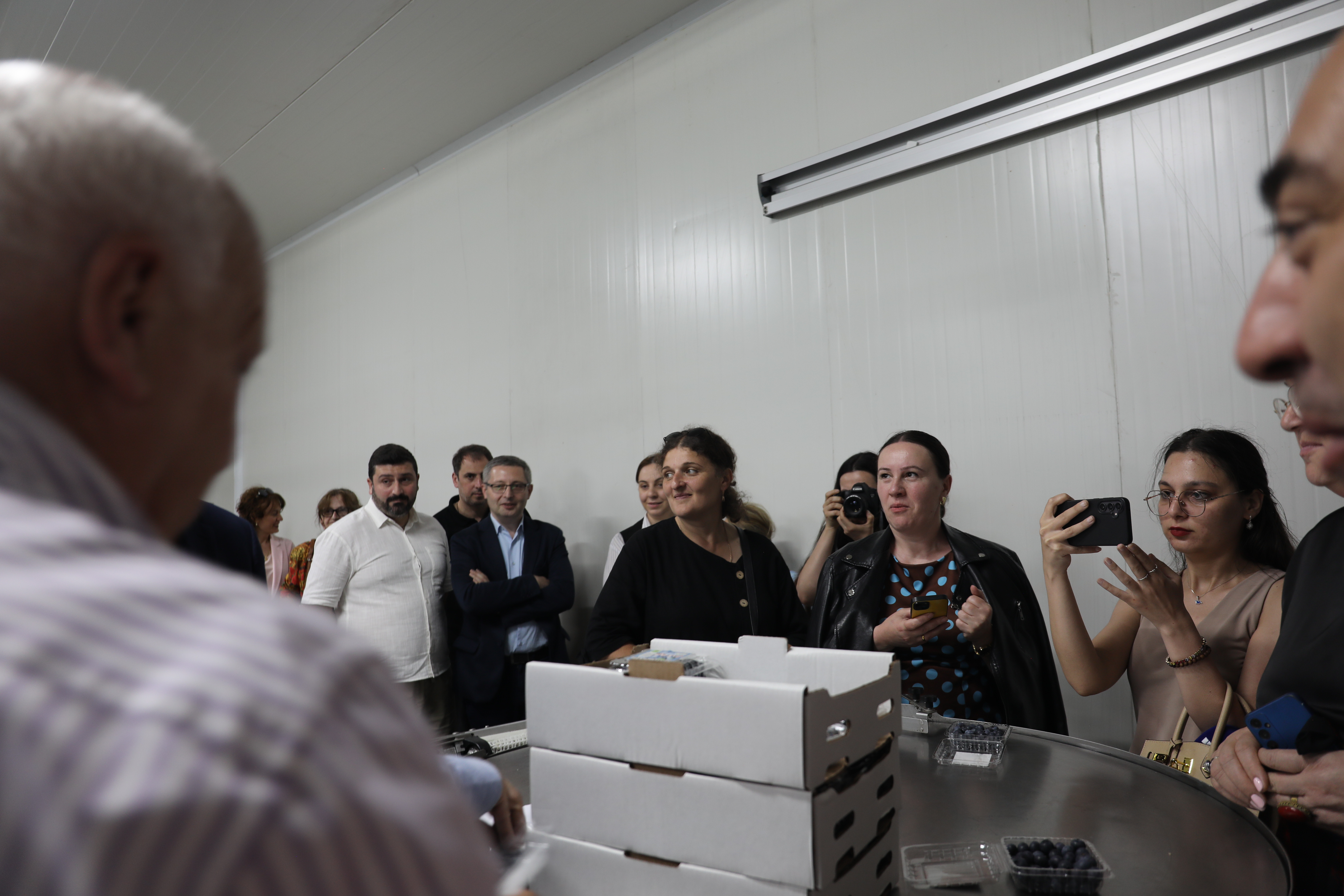
The programme also introduced participants to sustainable processing technologies, renewable energy applications, and practical recommendations for meeting international food safety requirements. Visitors observed the production process, learned about the integration of green energy solutions into agribusiness, and sampled freshly produced blueberry juice.
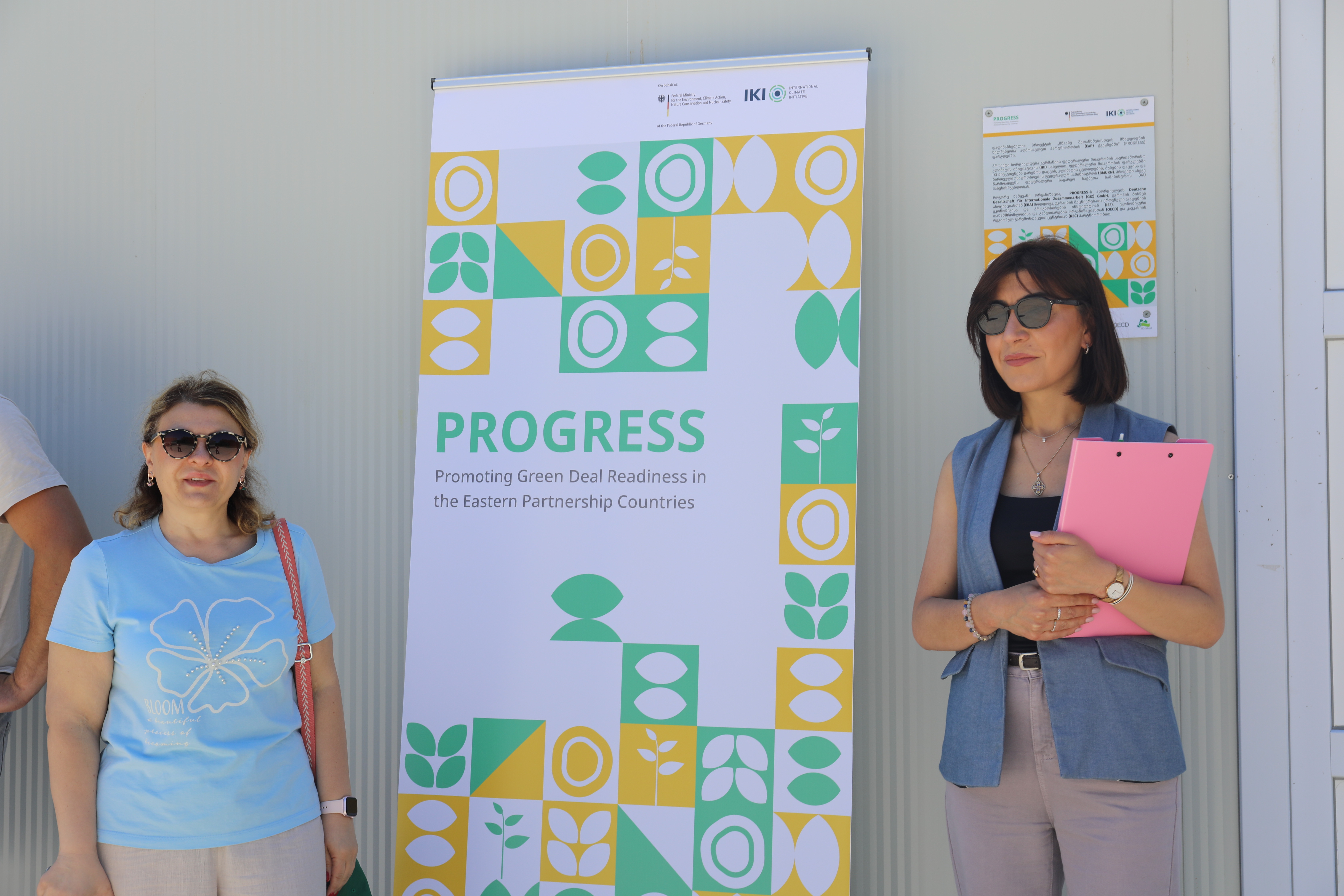
REC Caucasus Project Technical Advisor Nino Nadibaidze presented the project's field implementation activities and introduced two comprehensive training programmes designed to strengthen farmers' knowledge of blueberry production, value chain management, and climate-smart fertigation and irrigation practices. These educational resources aim to support both formal and informal learning while encouraging wider adoption of sustainable agricultural technologies.
The event concluded with an interactive discussion and networking session, allowing participants to exchange experiences, discuss common challenges, and explore future cooperation opportunities. By demonstrating practical examples of innovation, renewable energy, and sustainable processing, the field day reinforced the importance of integrated climate-smart solutions for the long-term development of Georgia's blueberry value chain.