
Smart Farming in Action: Field Day Highlights Digital Technologies for Climate-Resilient Blueberry Production
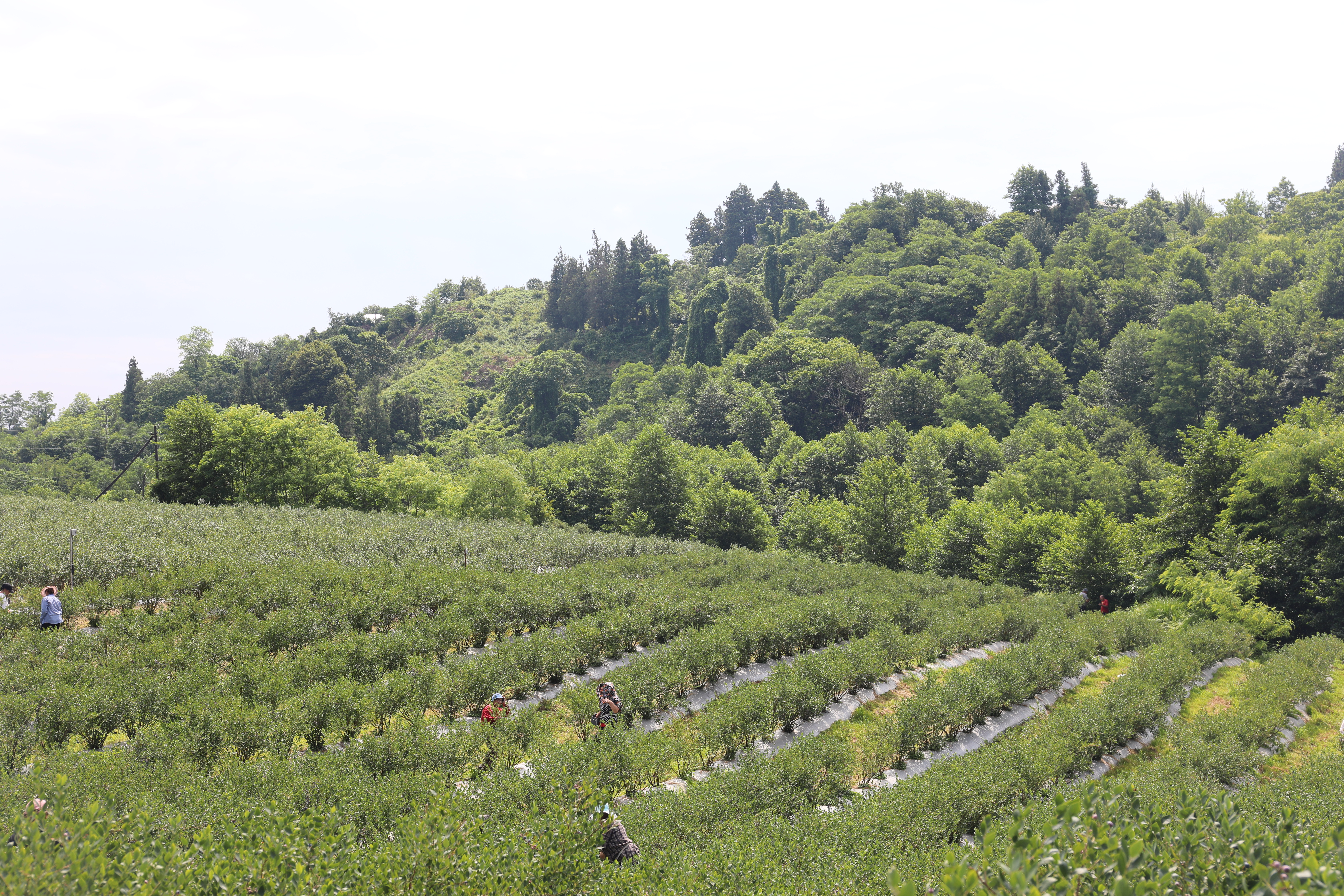
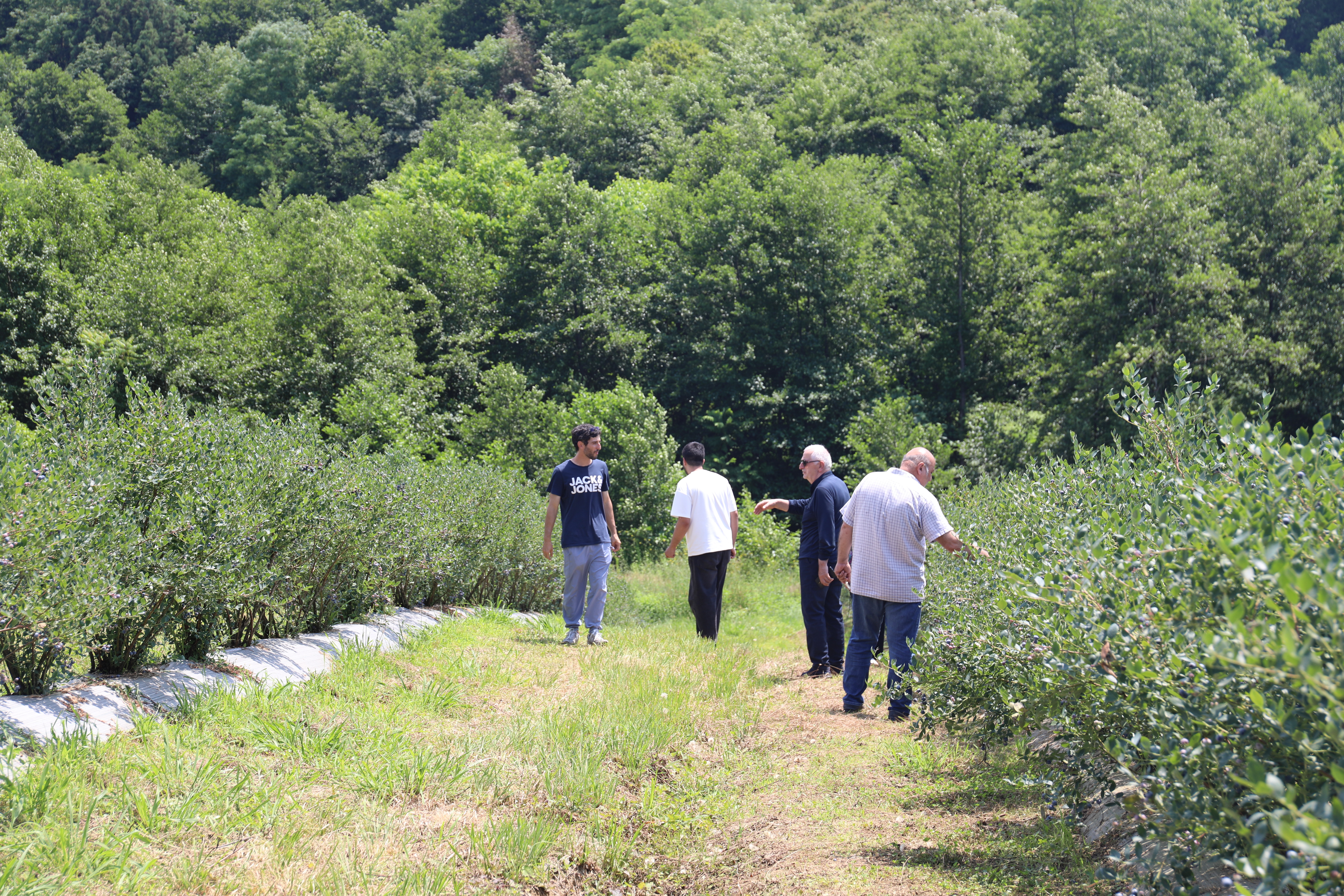
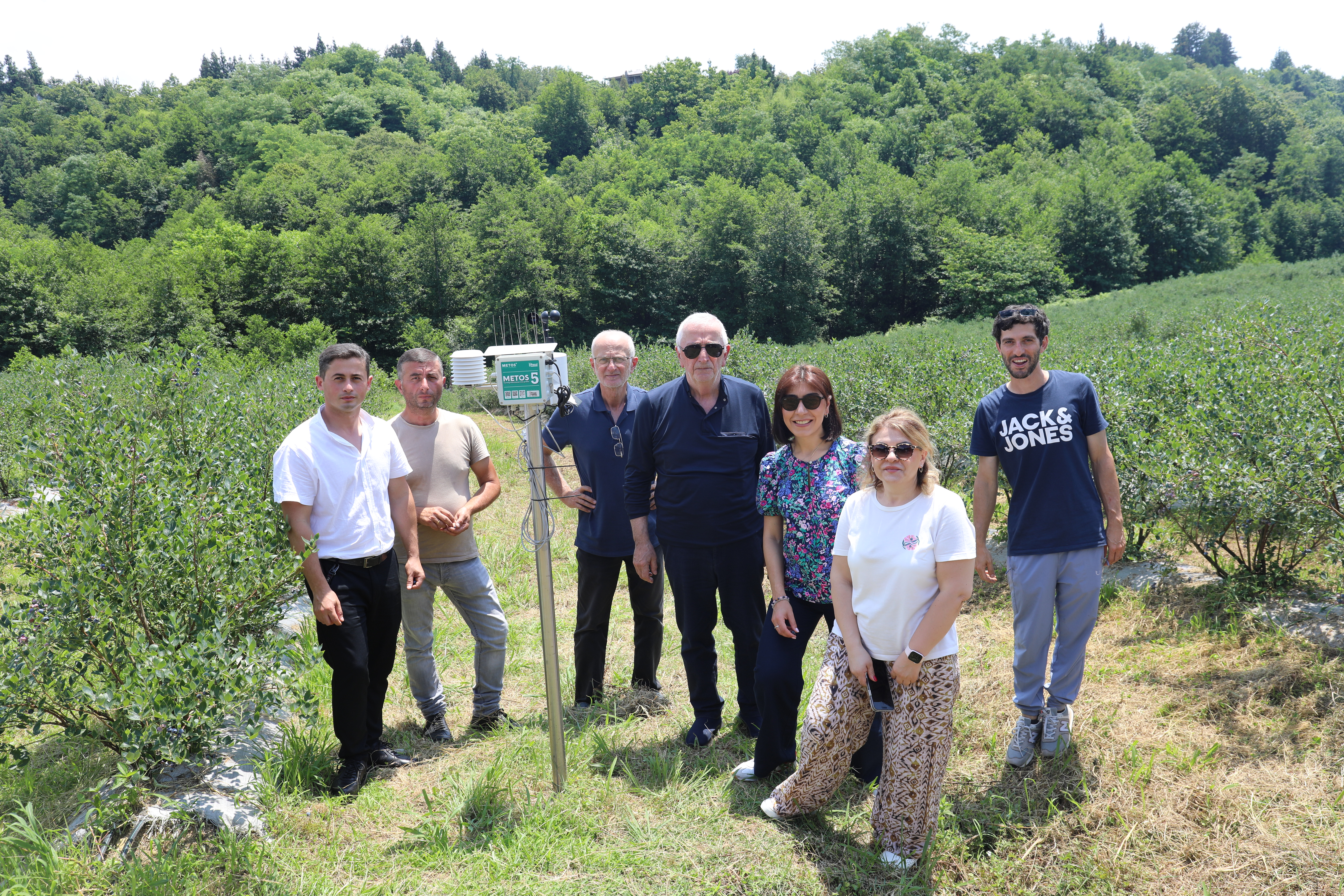
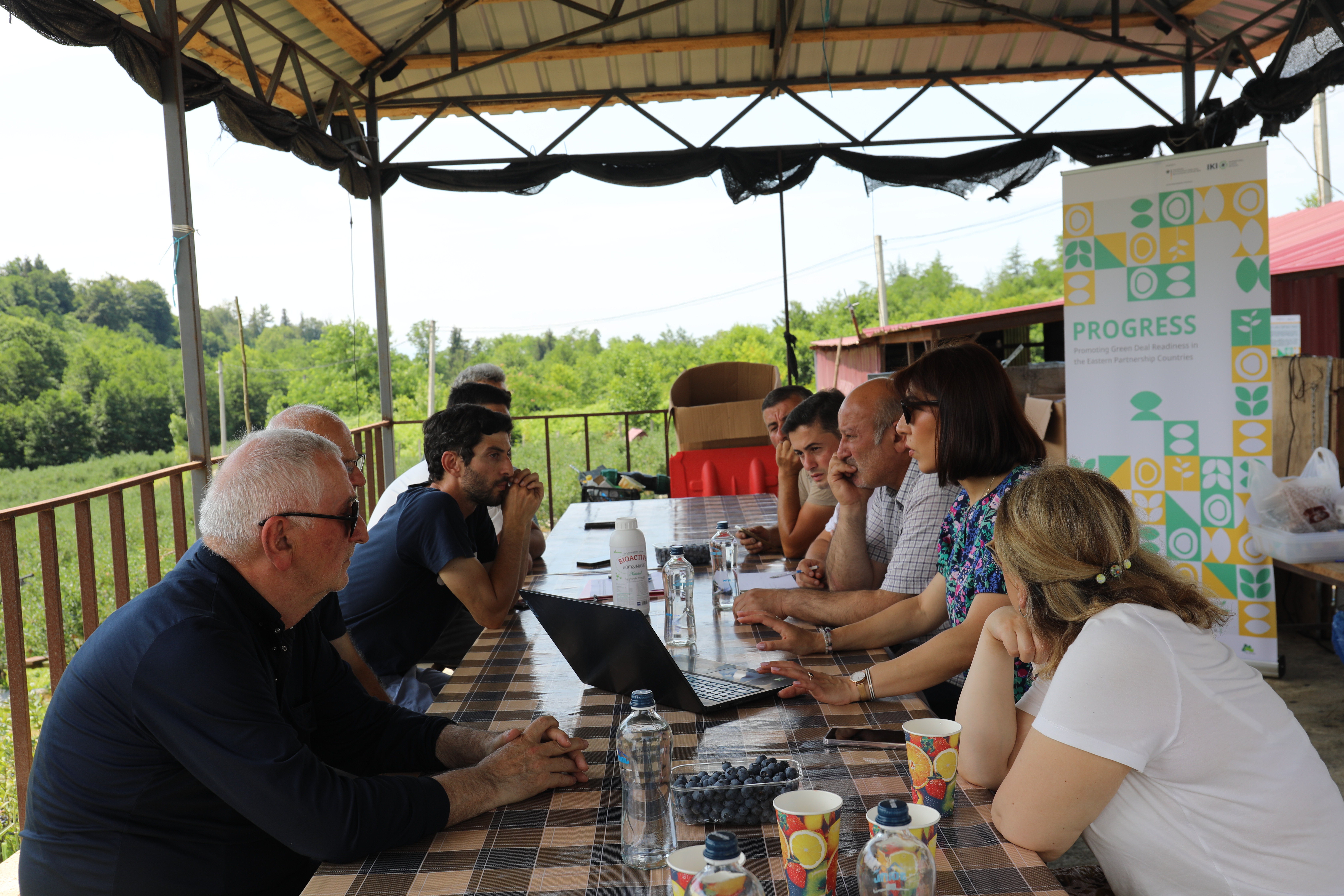
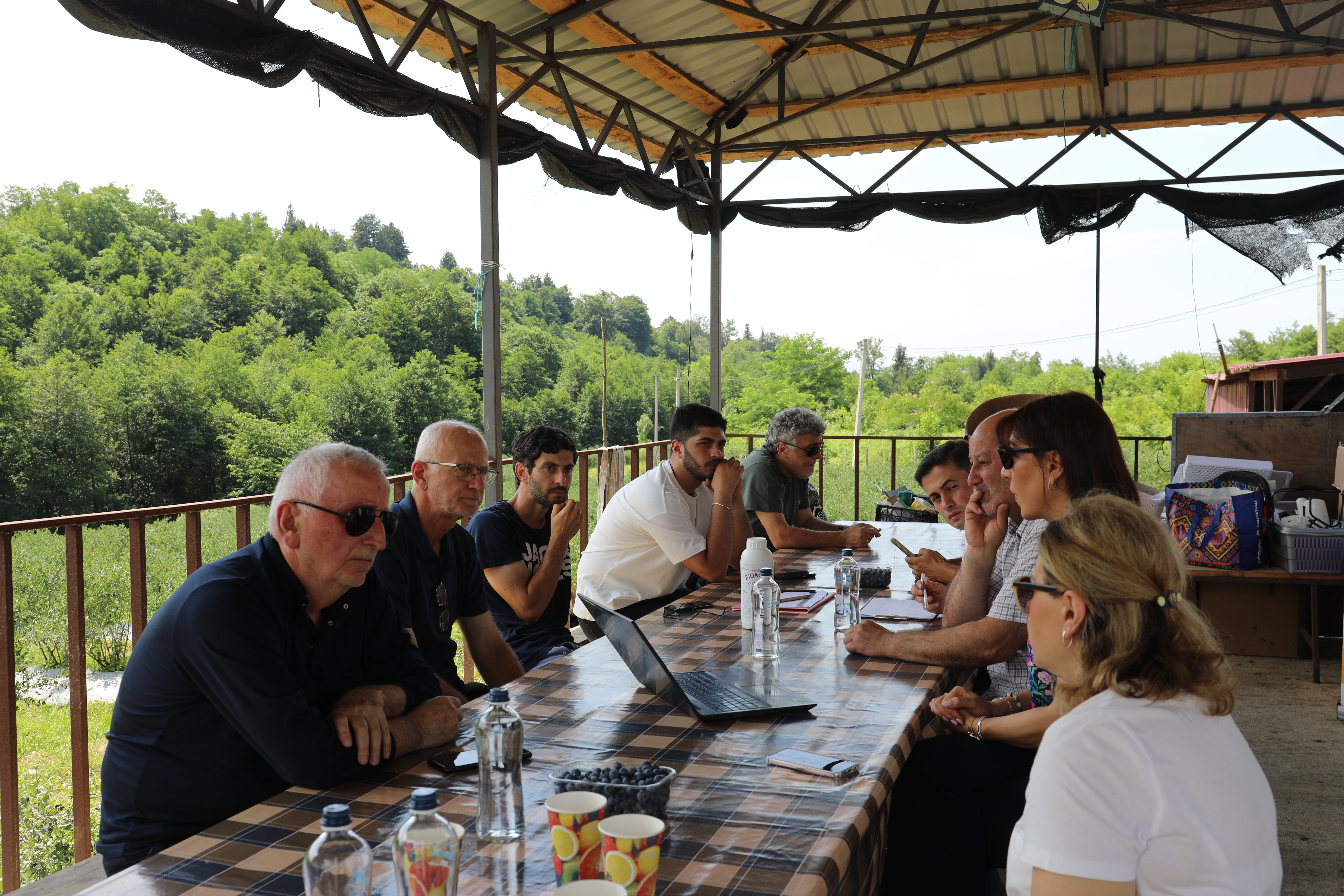
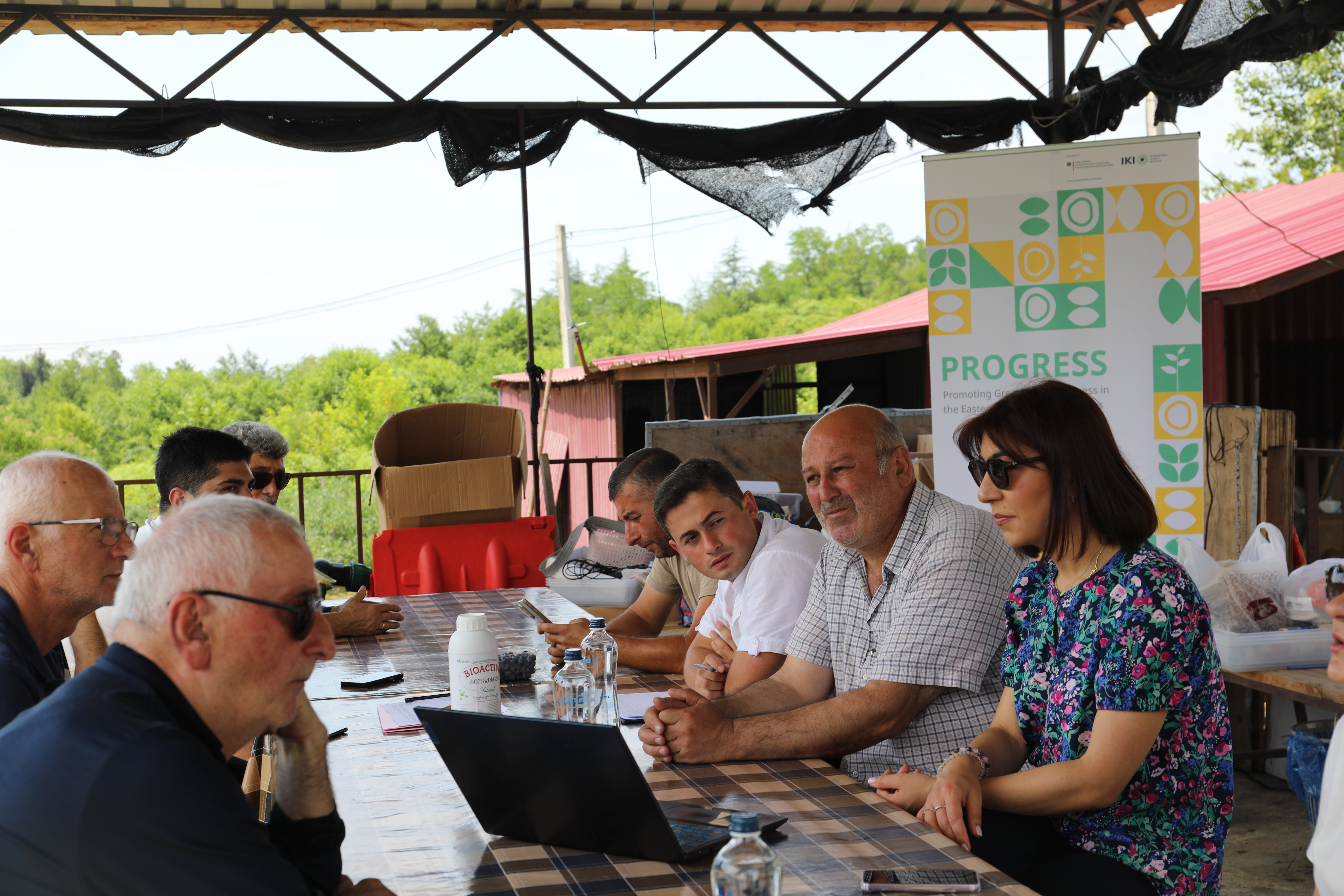
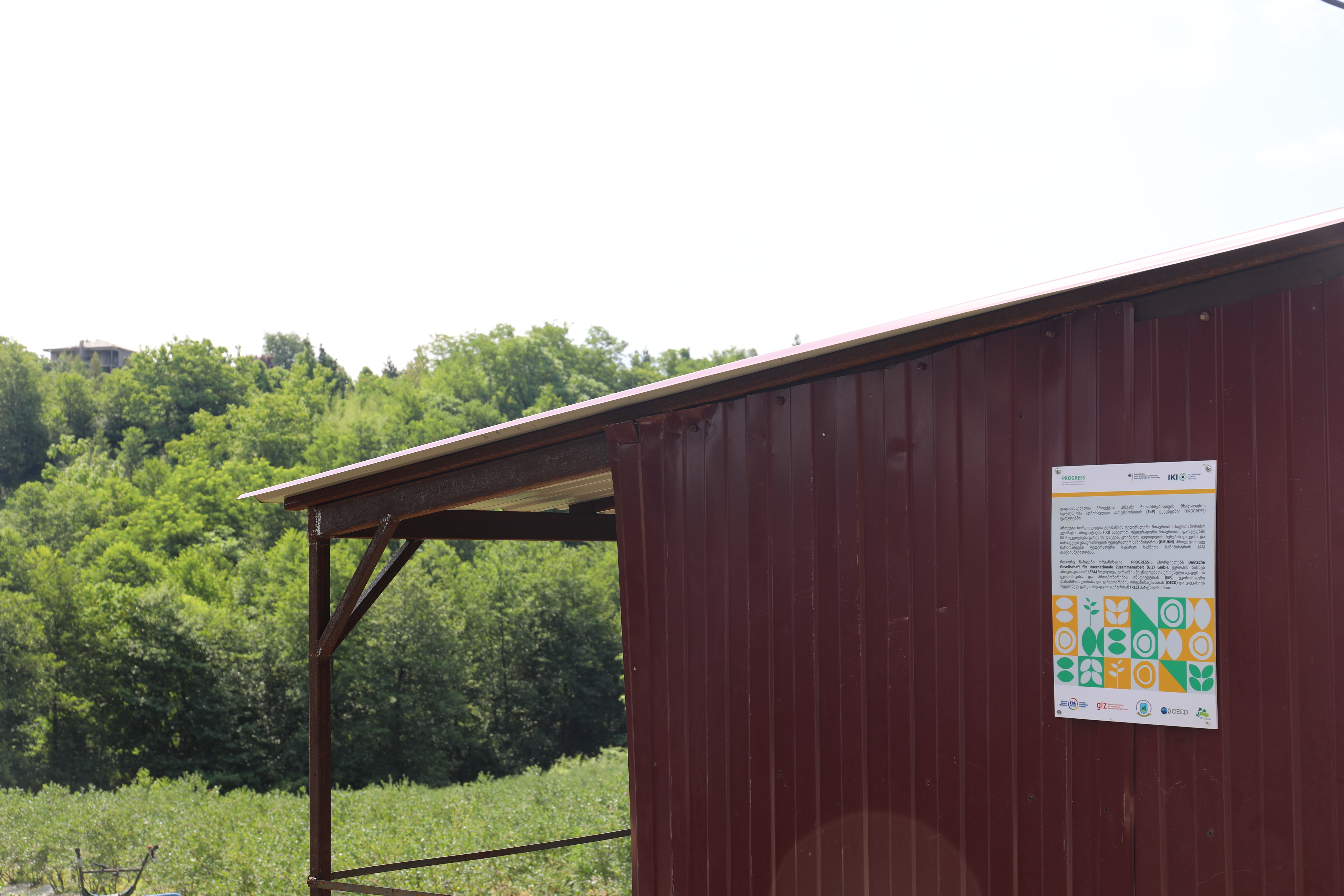
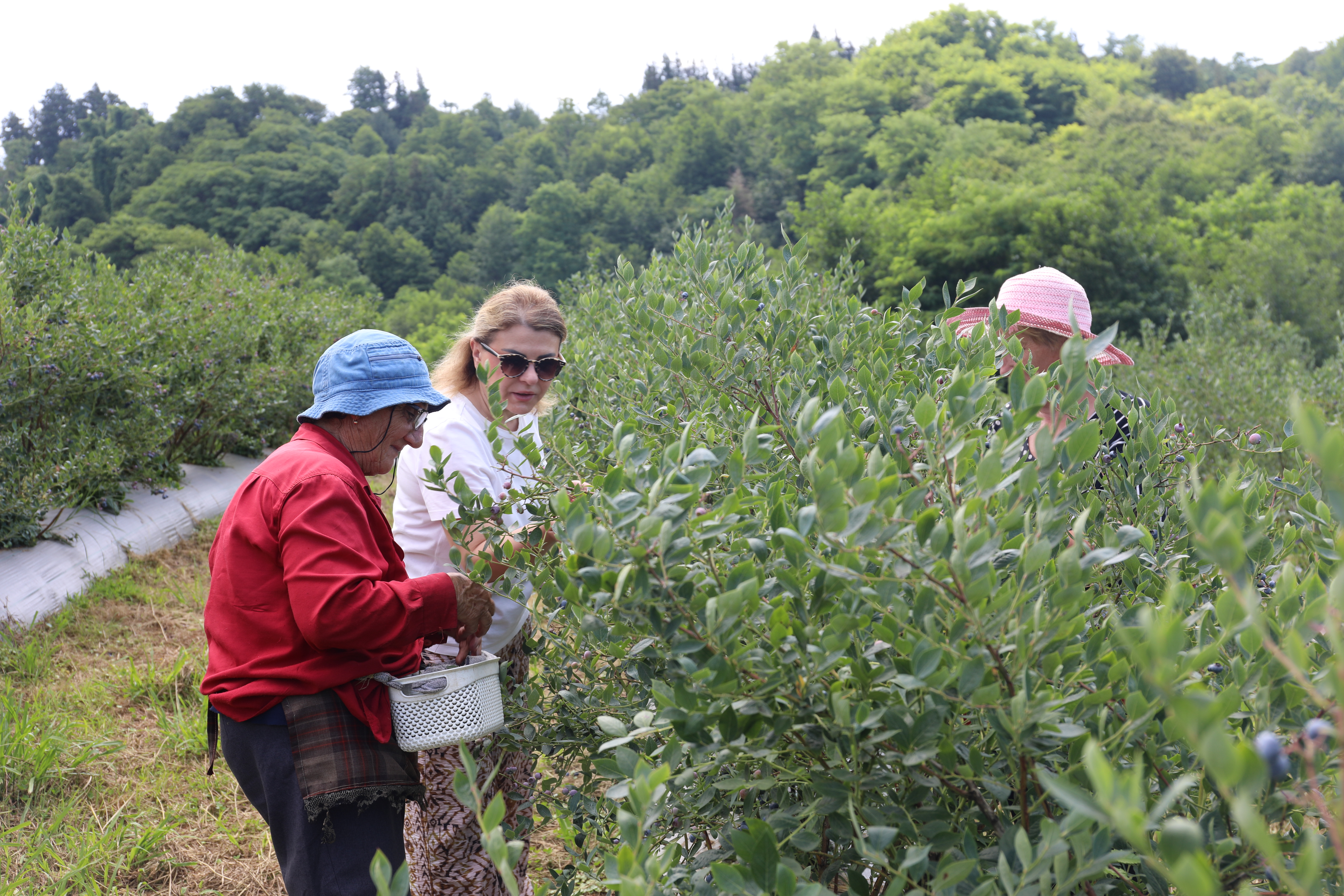
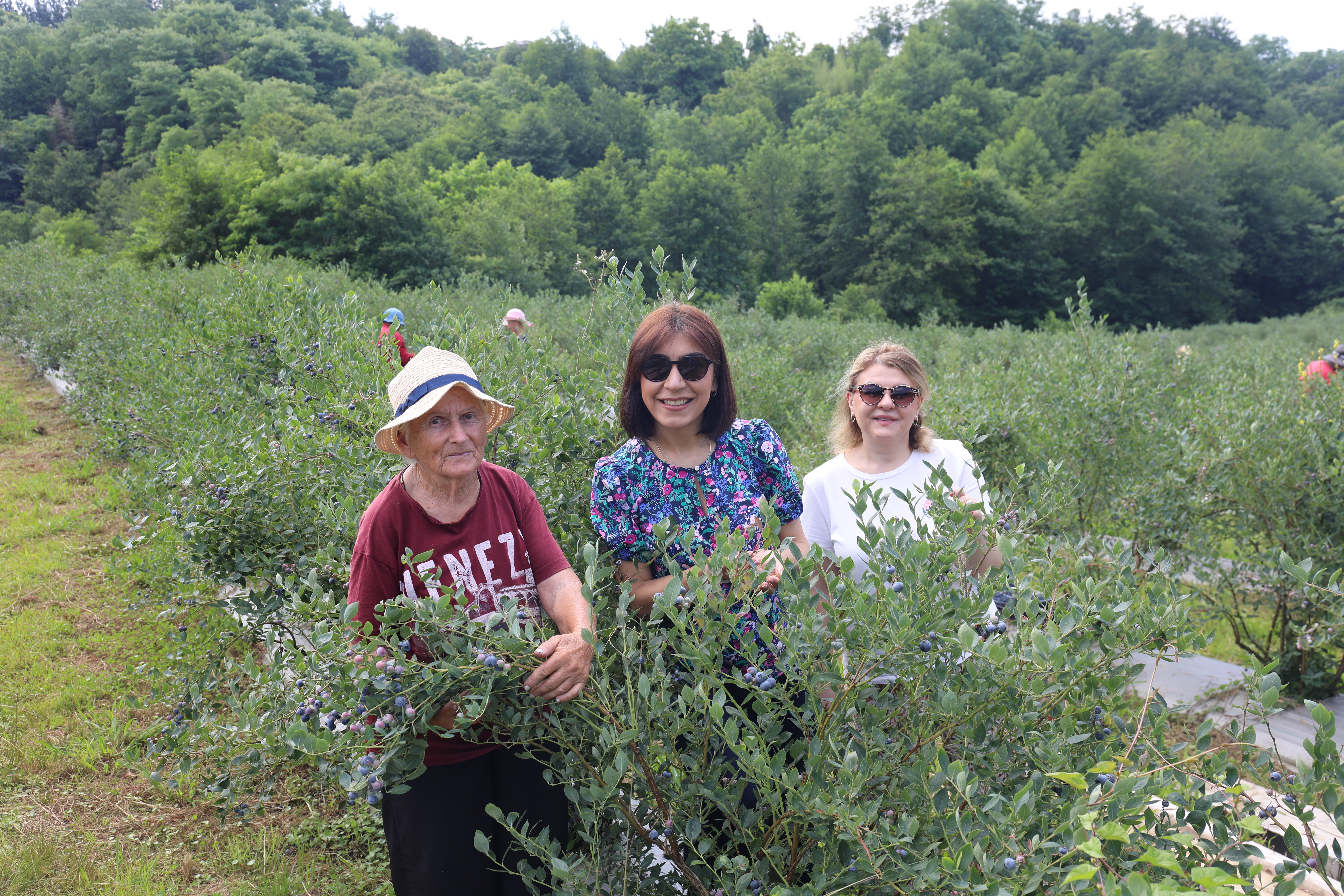
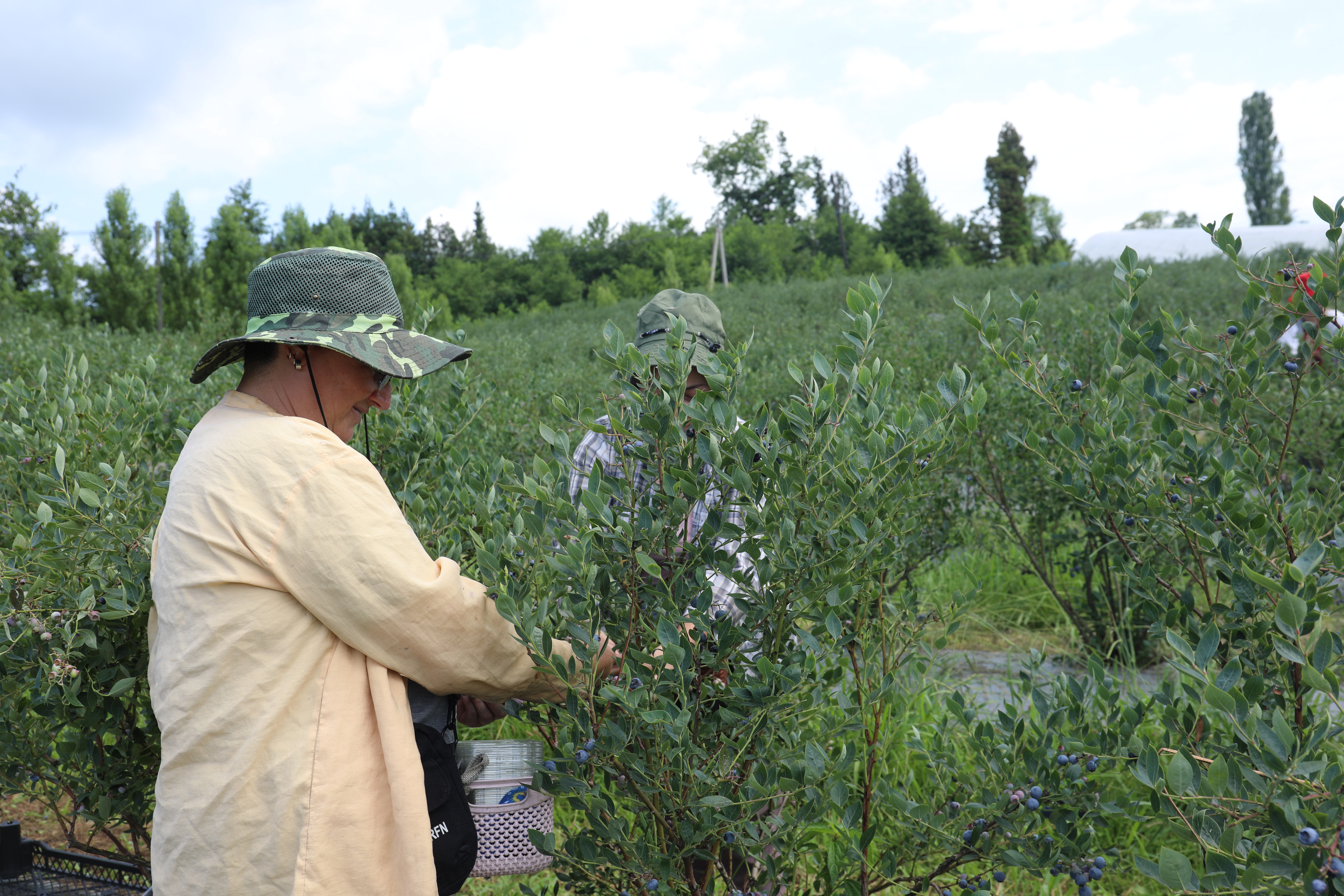
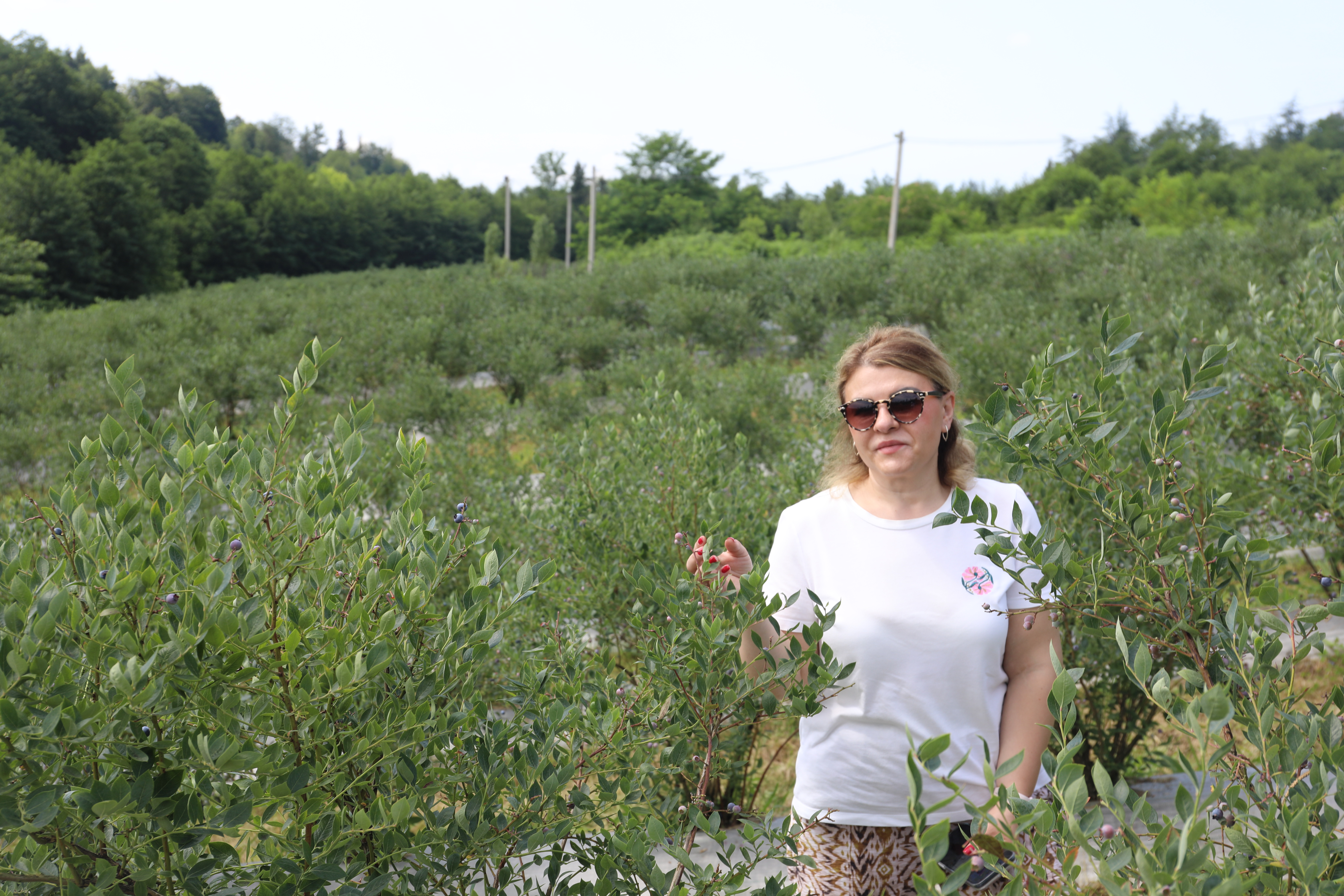
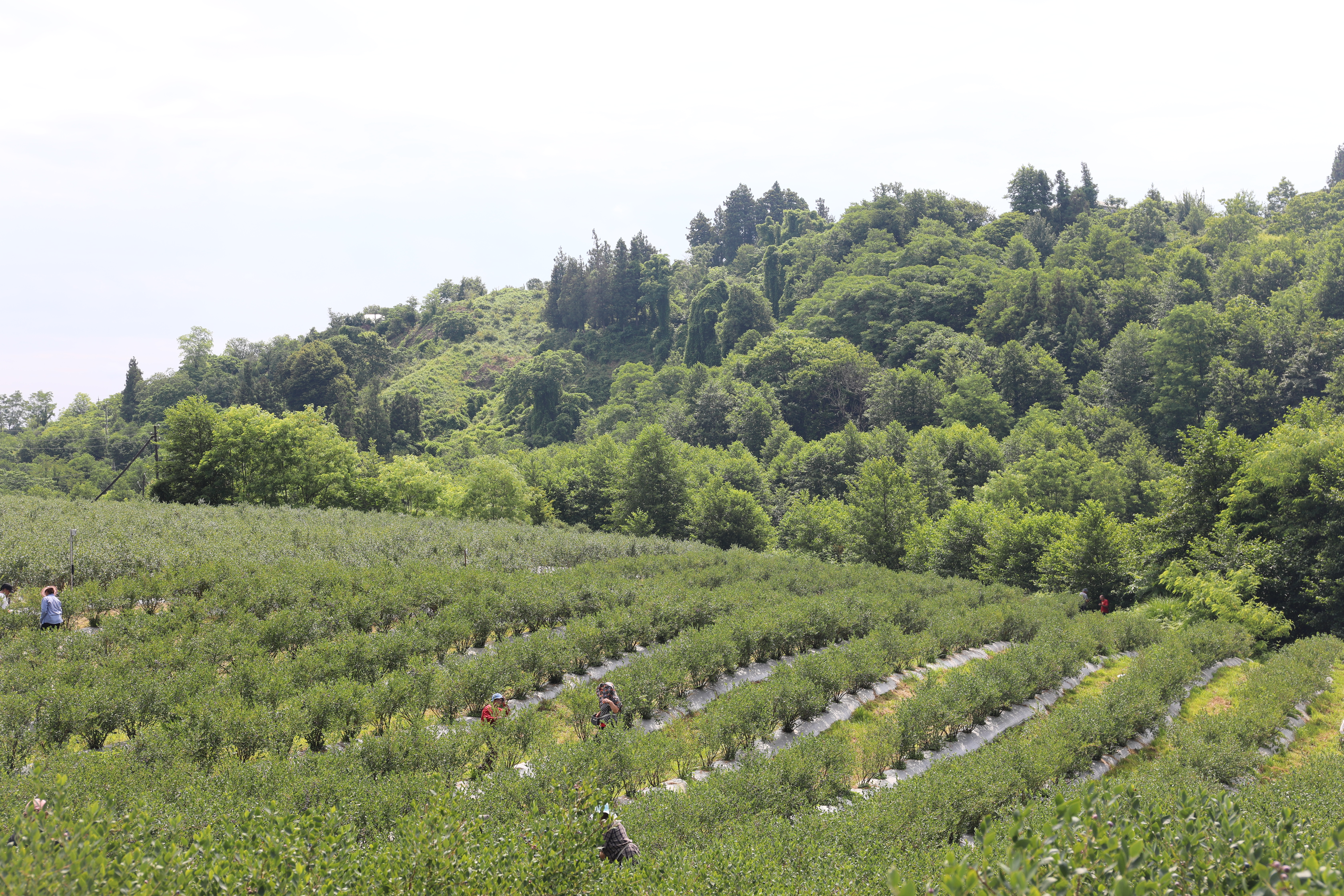
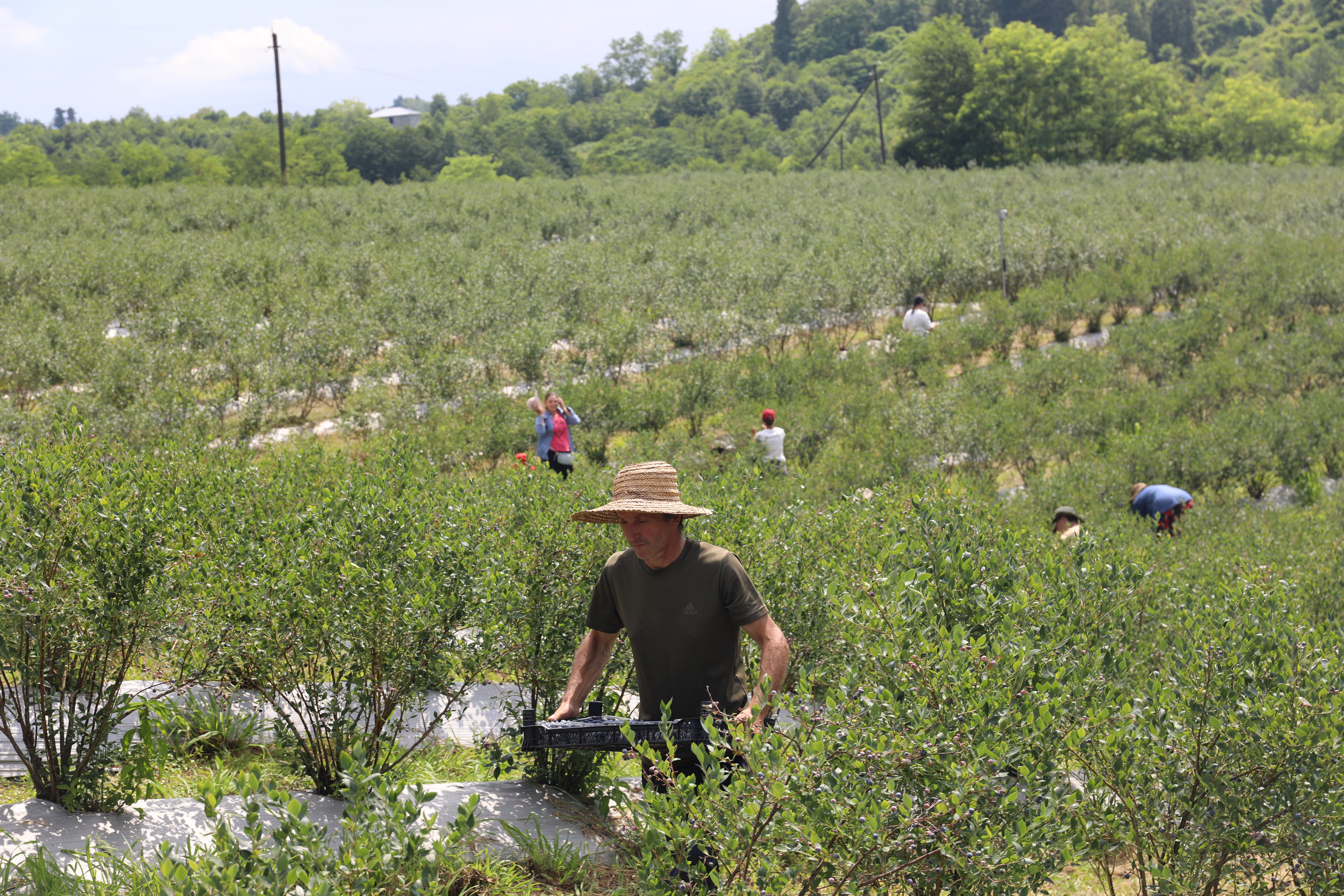
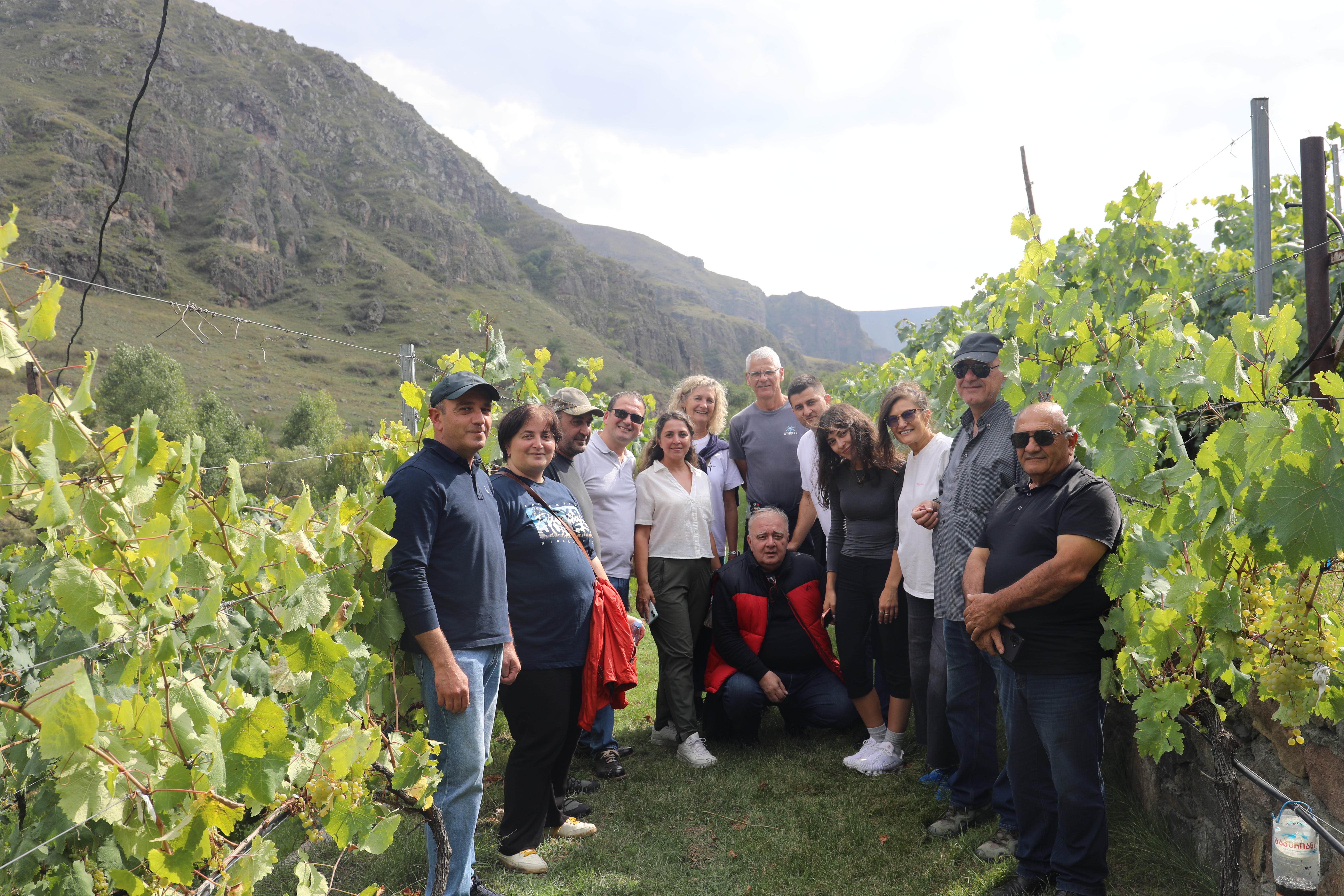
Blueberry producers, agronomists, agricultural specialists, and representatives of public and private sector organizations gathered in Natani village, Ozurgeti Municipality, for a field day showcasing innovative digital technologies that are helping farmers adapt to climate change and improve the efficiency of blueberry production. The event was organized by REC Caucasus, with the support of GIZ, under the PROGRESS - Promoting Green Deal Readiness in the Eastern Partnership Countries initiative.
The field day served as a practical continuation of the regional B2B forum held in Kutaisi, providing participants with an opportunity to observe climate-smart technologies operating under real farming conditions. The programme focused on demonstrating how digital solutions can support data-driven decision-making, optimize resource use, and strengthen the resilience of agricultural production in the face of changing climate conditions.
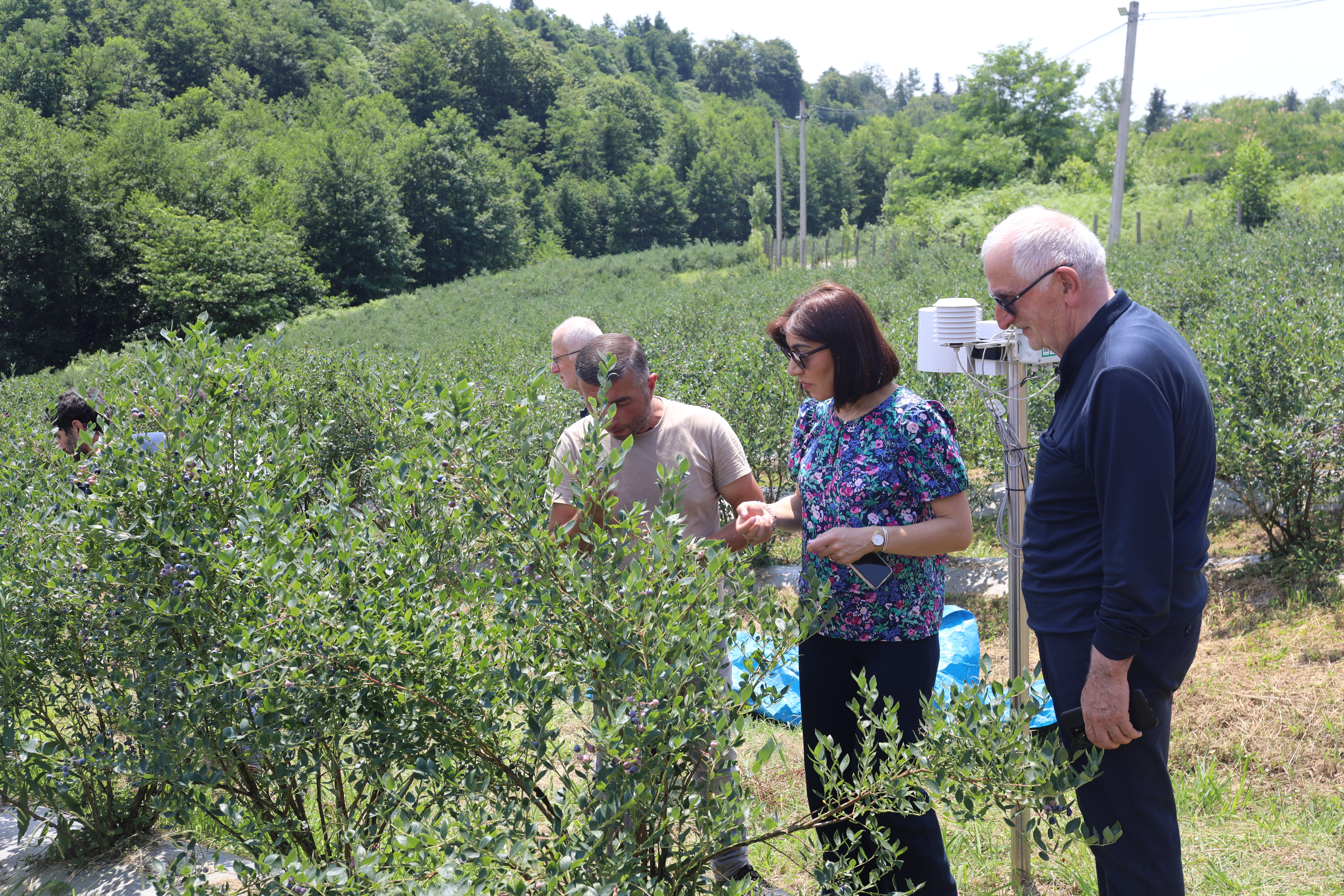
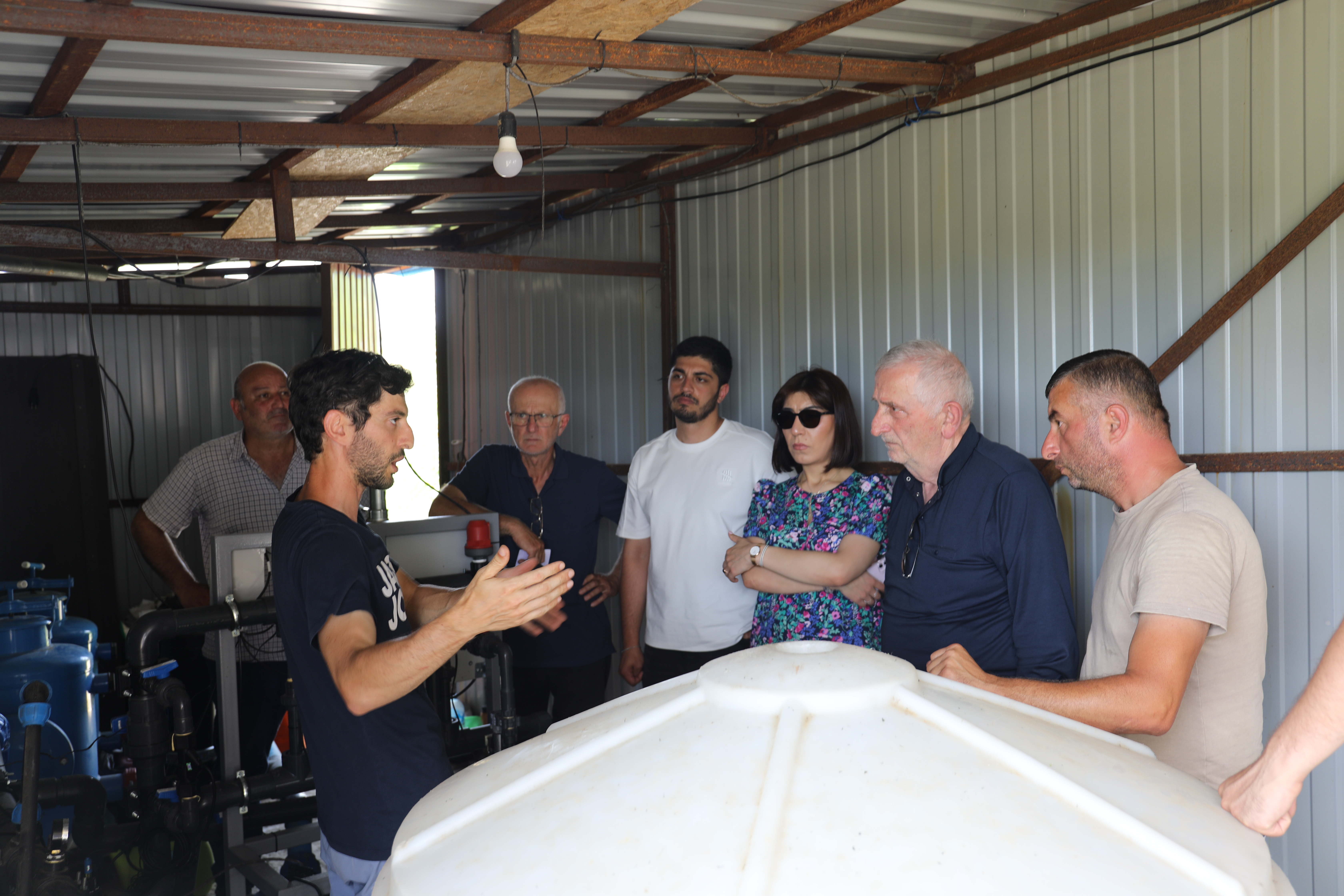
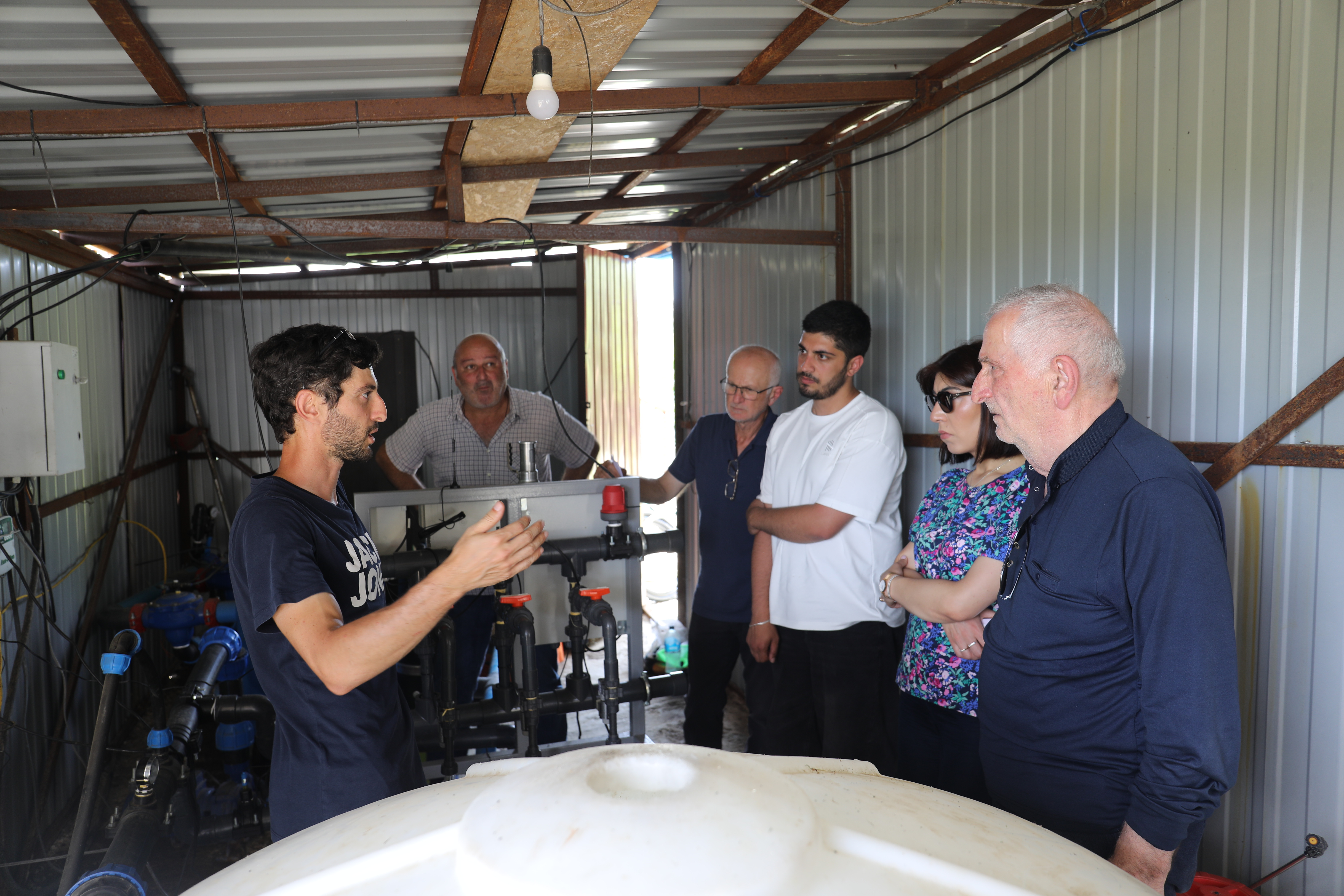
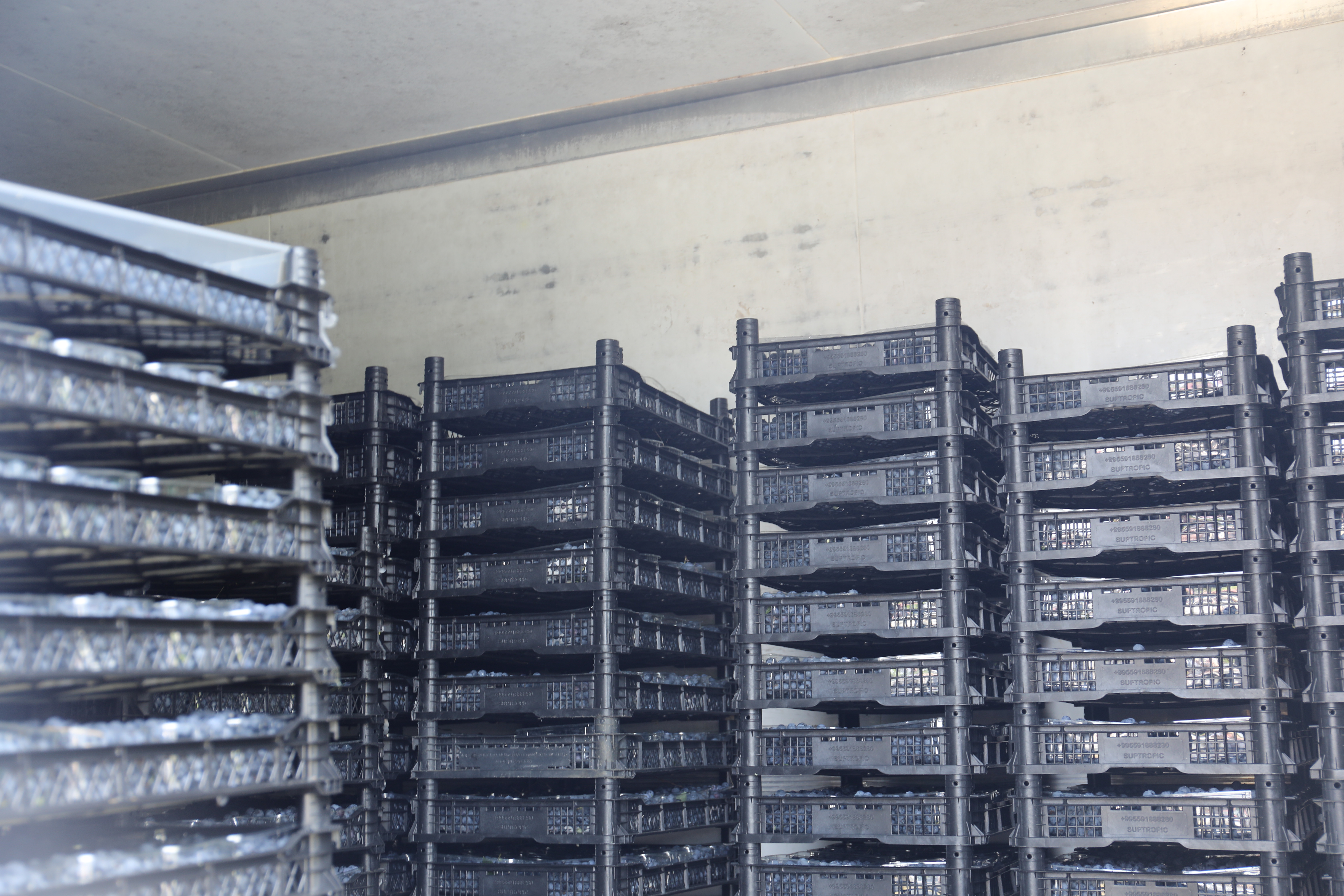
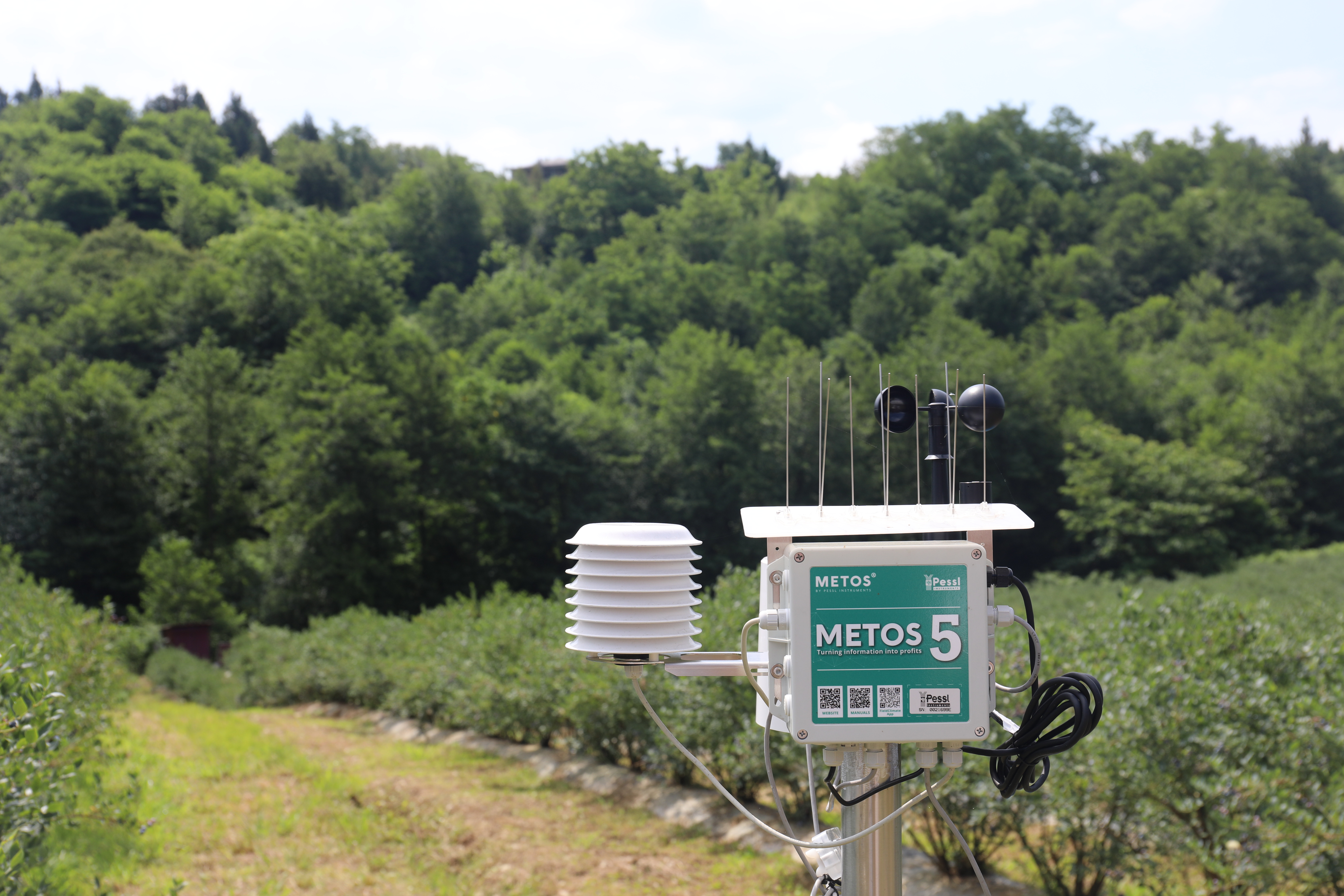
Participants visited the blueberry farm of project beneficiary Kakhi Kakhidze, where they observed an integrated climate-smart management system featuring an automated weather station, soil moisture and EC sensors, and a precision fertigation system. Experts demonstrated how real-time environmental data can be used to improve irrigation scheduling, optimize fertilizer application, reduce production costs, and minimize environmental impacts.
During the demonstration, participants also explored the FieldClimate digital platform, which enables farmers to monitor weather conditions, soil parameters, and crop performance remotely. The platform provides real-time information that supports timely agronomic decisions and helps farmers respond more effectively to climate-related risks.
Sharing his experience, project beneficiary Kakhi Kakhidze explained how the introduction of climate-smart technologies has transformed his farming practices. Precision fertigation has improved fertilizer efficiency by delivering nutrients exactly where and when they are needed, while EC sensors help prevent fruit cracking during periods of heavy rainfall. Combined with automated weather forecasting, these technologies have significantly reduced unnecessary pesticide applications and contributed to healthier plants, higher-quality fruit, and more efficient use of natural resources.
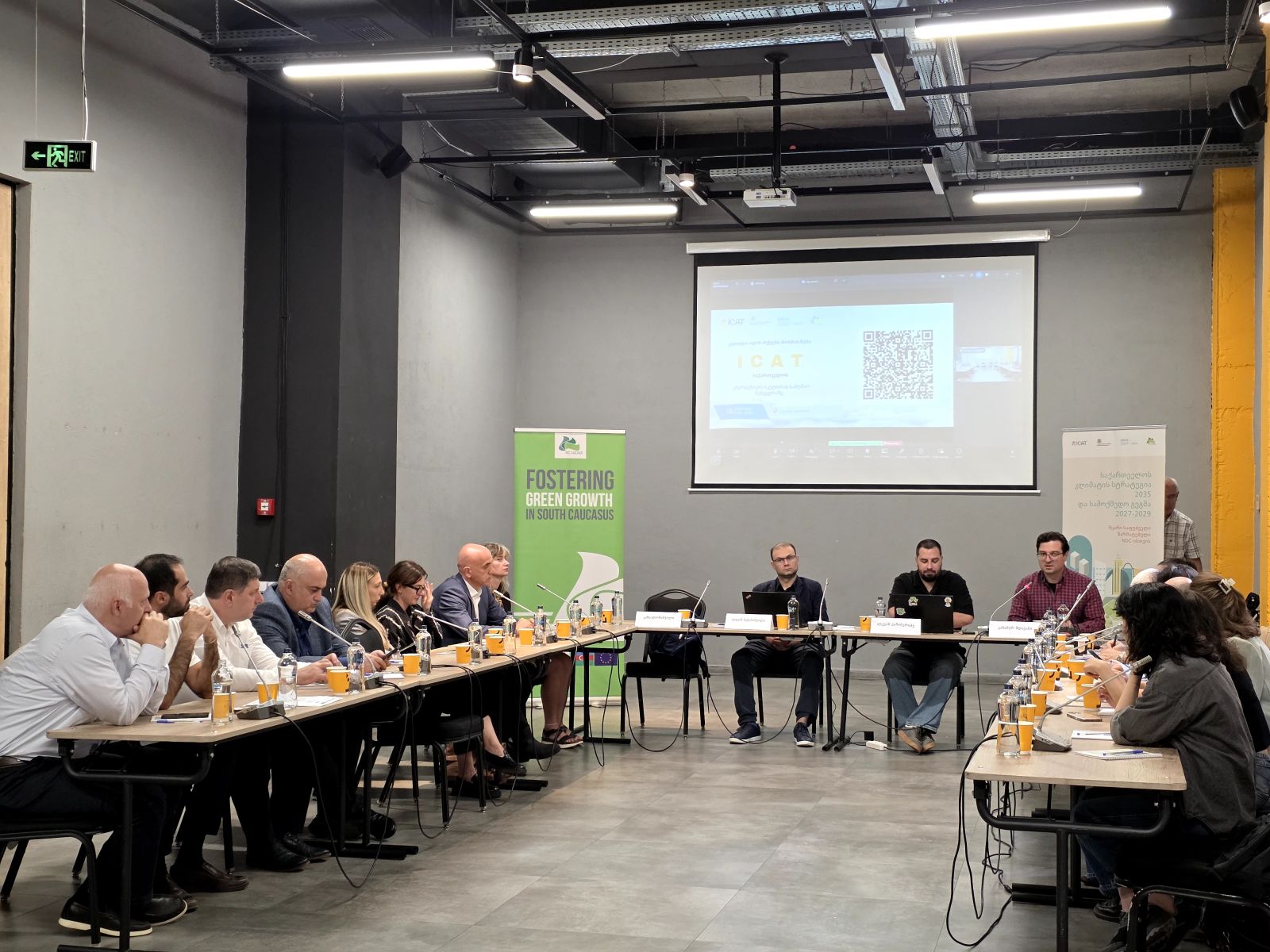
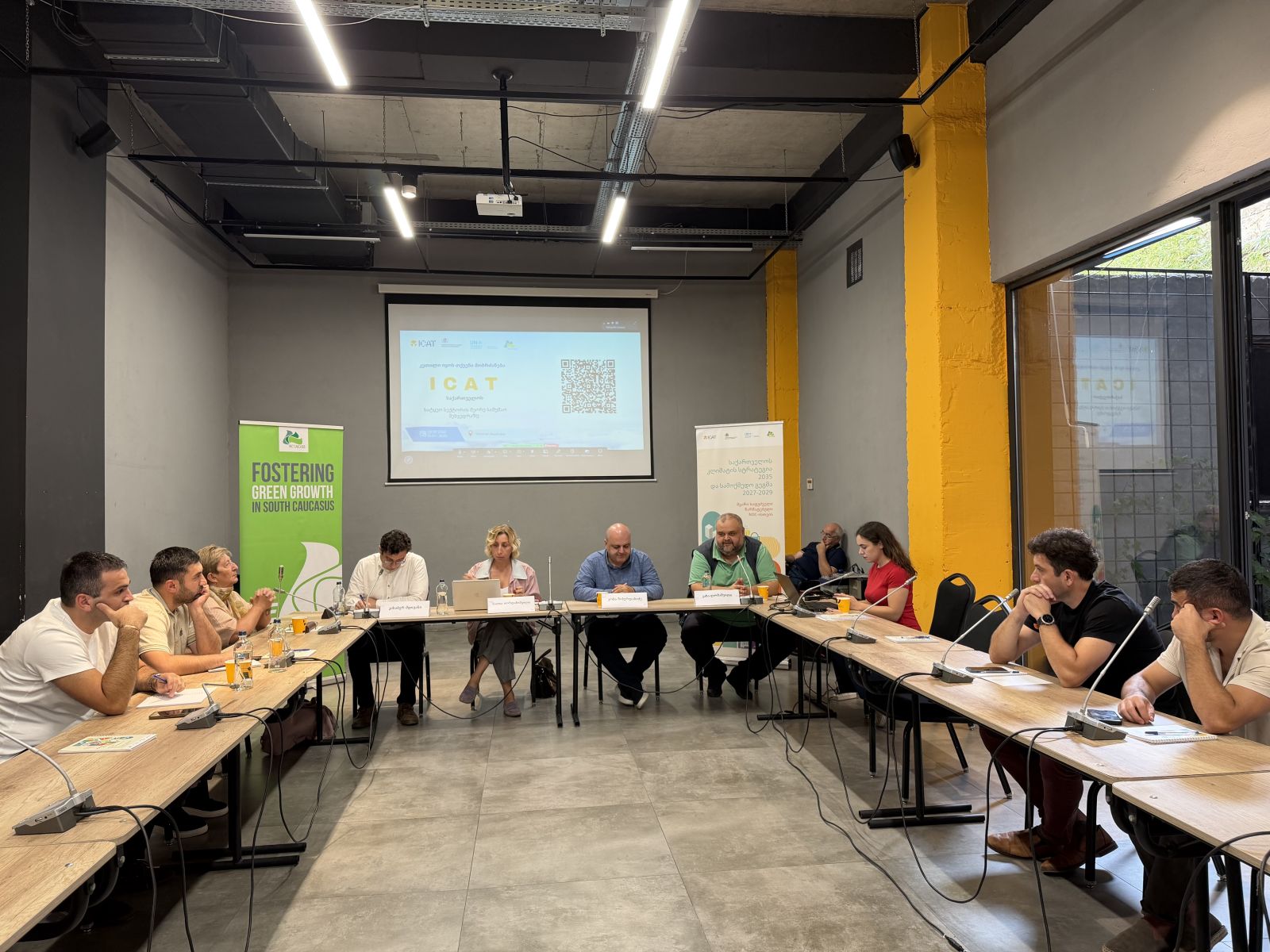
REC Caucasus Project Technical Advisor Nino Nadibaidze presented the project's field implementation activities and introduced two comprehensive training programmes developed to strengthen farmers' knowledge of blueberry production, value chain management, and climate-smart fertigation and irrigation. The programmes are designed to support capacity building and encourage the wider adoption of sustainable agricultural practices throughout Georgia's blueberry sector.
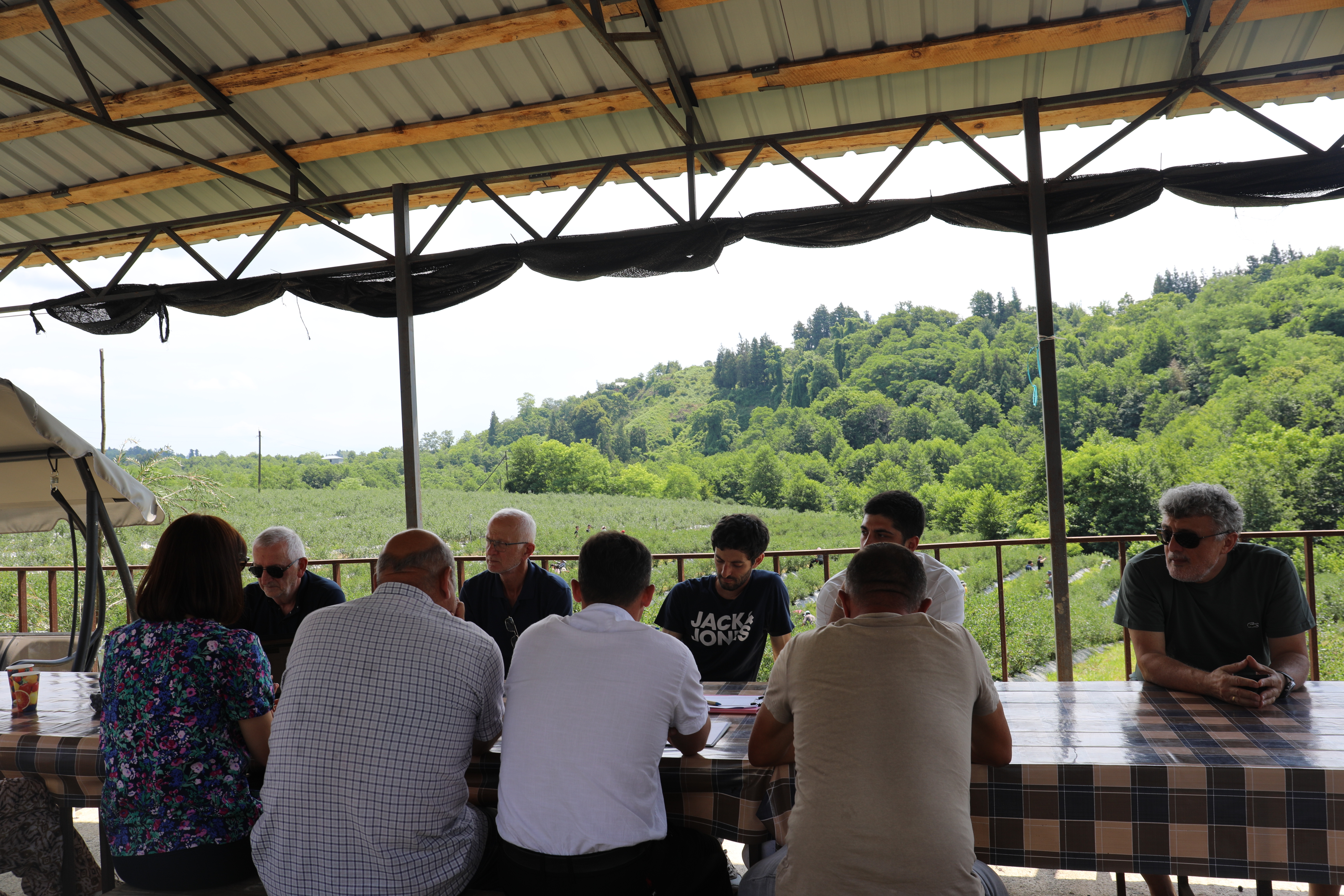
The event concluded with an interactive discussion and B2B networking session, enabling farmers, agronomists, technology providers, and sector representatives to exchange experiences and discuss future cooperation opportunities. The field day demonstrated how digital innovation and climate-smart technologies can help build a more productive, resilient, and environmentally sustainable blueberry sector in Georgia.