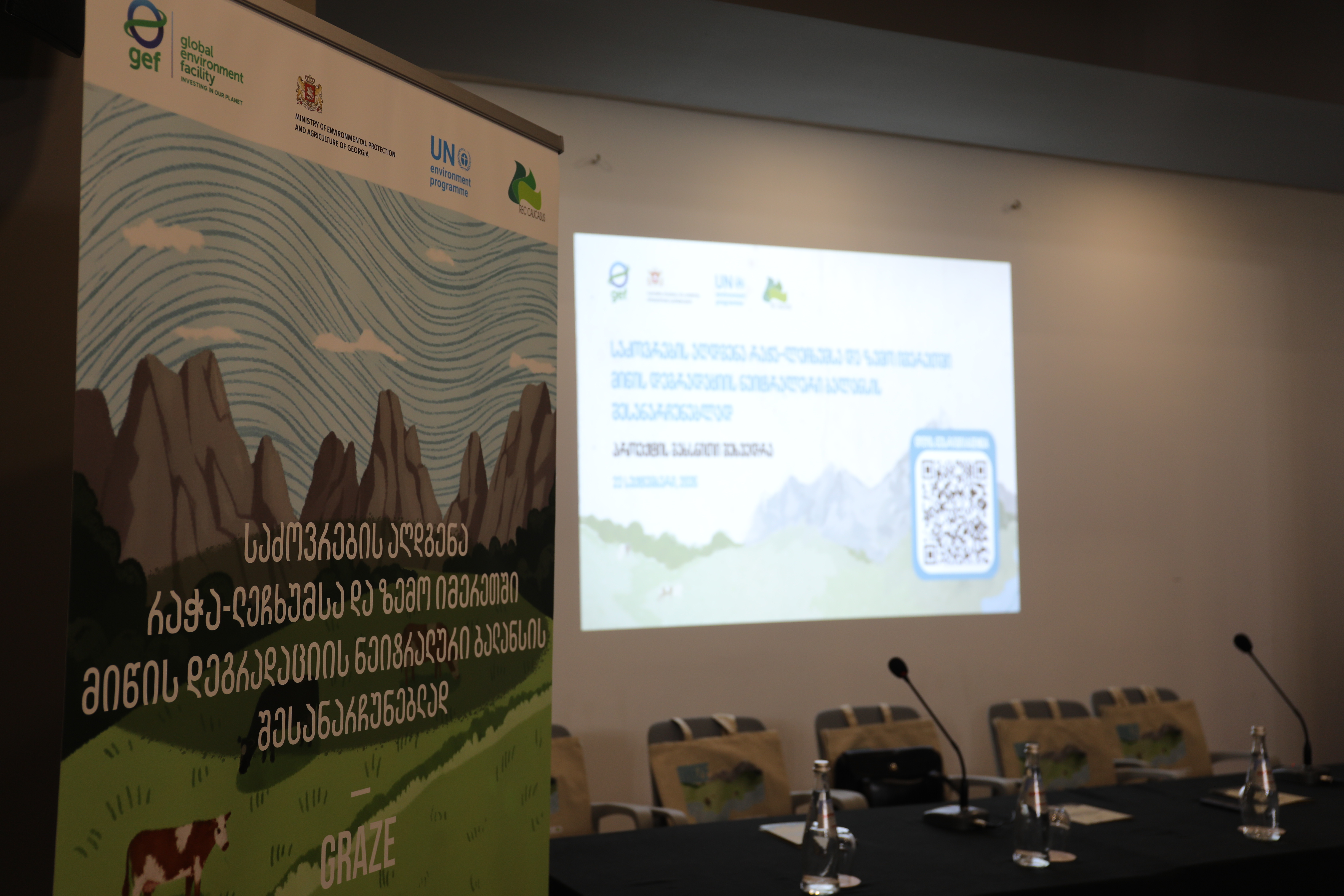

"Transparency in Action" - A New Project to Strengthen Georgia’s National Climate Reporting System
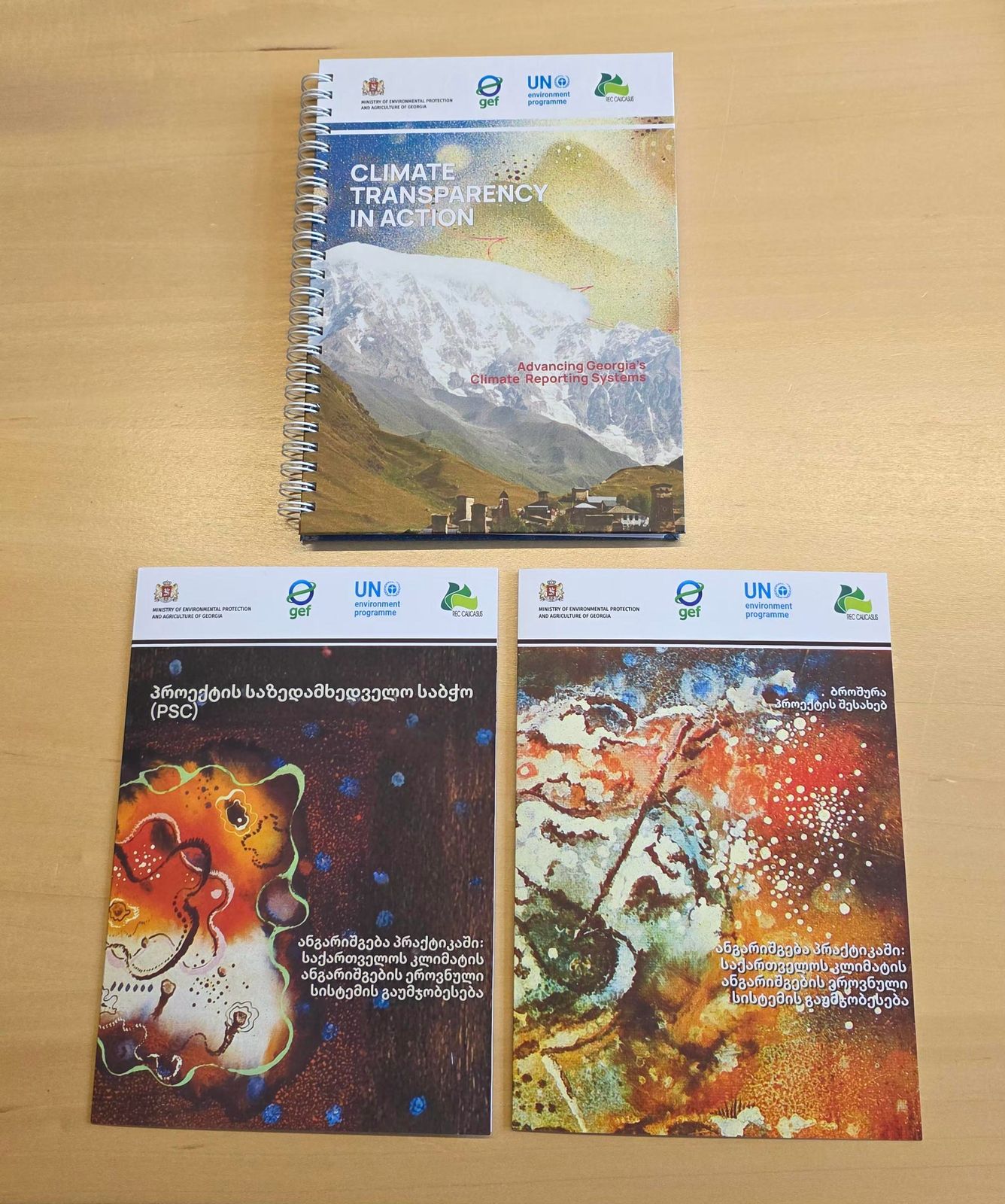
The Regional Environmental Centre for the Caucasus (REC Caucasus), in close cooperation with the Ministry of Environmental Protection and Agriculture of Georgia (MEPA), has officially launched a new project, "Transparency in Action: Advancing Georgia’s National Climate Reporting System."
As a Party to the United Nations Framework Convention on Climate Change (UNFCCC) and the Paris Agreement, Georgia is required to submit climate reports every two years. These reports include the national greenhouse gas inventory, progress made in implementing the Nationally Determined Contribution (NDC), and information on support received.
At present, climate-related data in Georgia is dispersed across multiple institutions, making it more difficult to meet international reporting obligations and support evidence-based policymaking. The absence of a centralized digital data management system, combined with limited institutional capacity, continues to hinder efficient information exchange among responsible agencies.
Funded by the Global Environment Facility (GEF) and supported by the United Nations Environment Programme (UNEP), the "Transparency in Action" project aims to address these challenges by strengthening Georgia’s national climate reporting system in line with the Enhanced Transparency Framework (ETF) of the Paris Agreement.
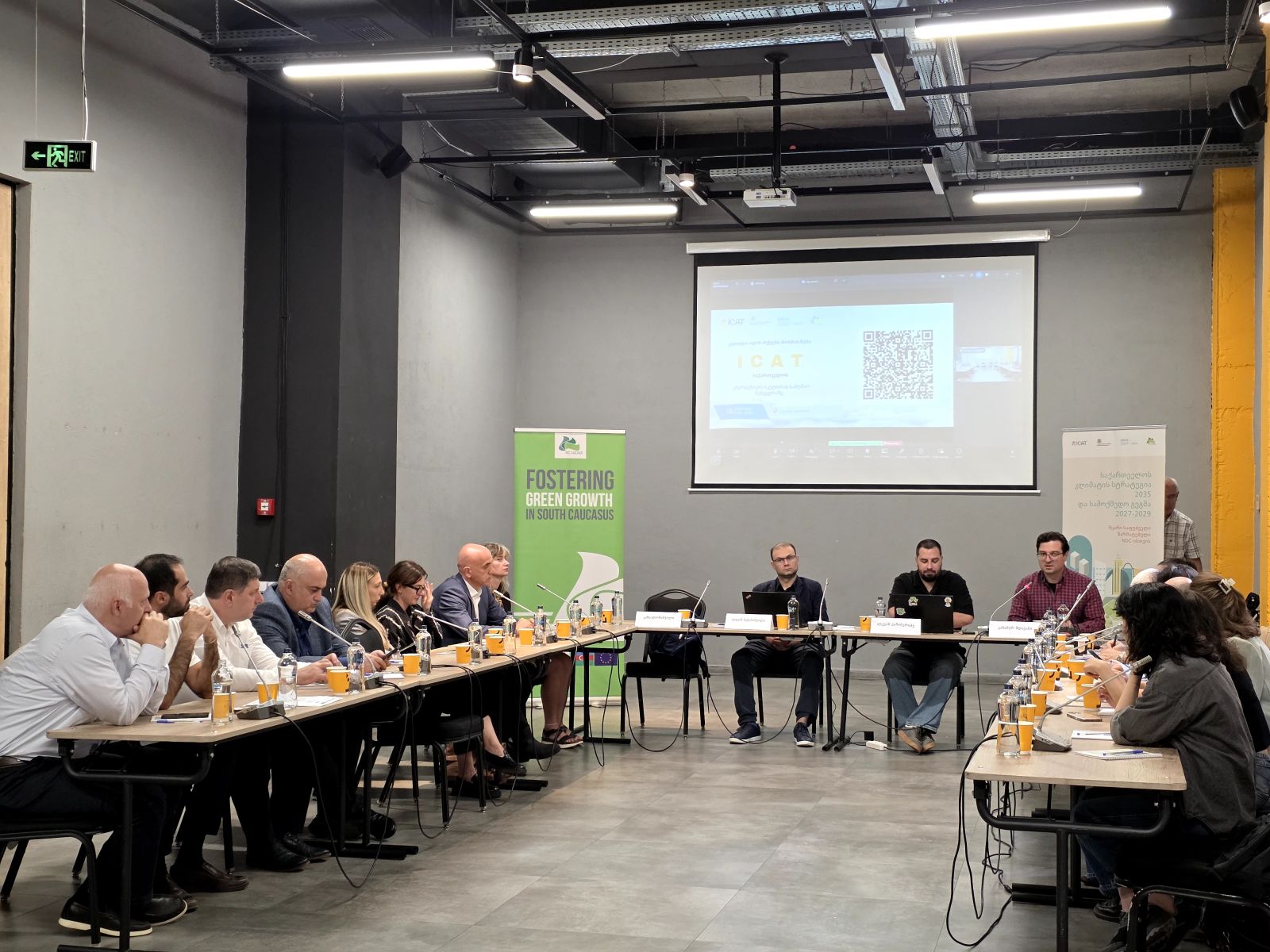
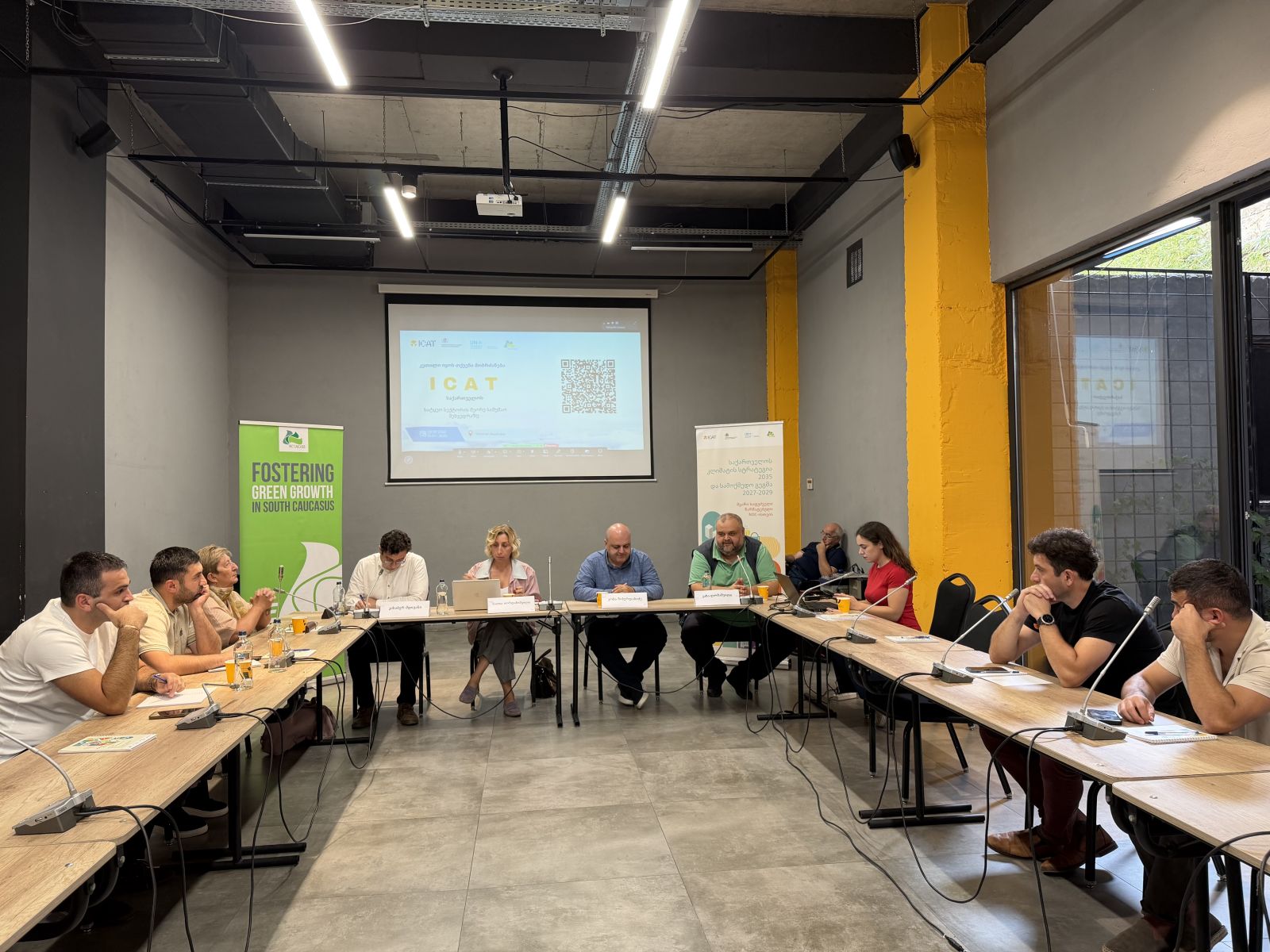
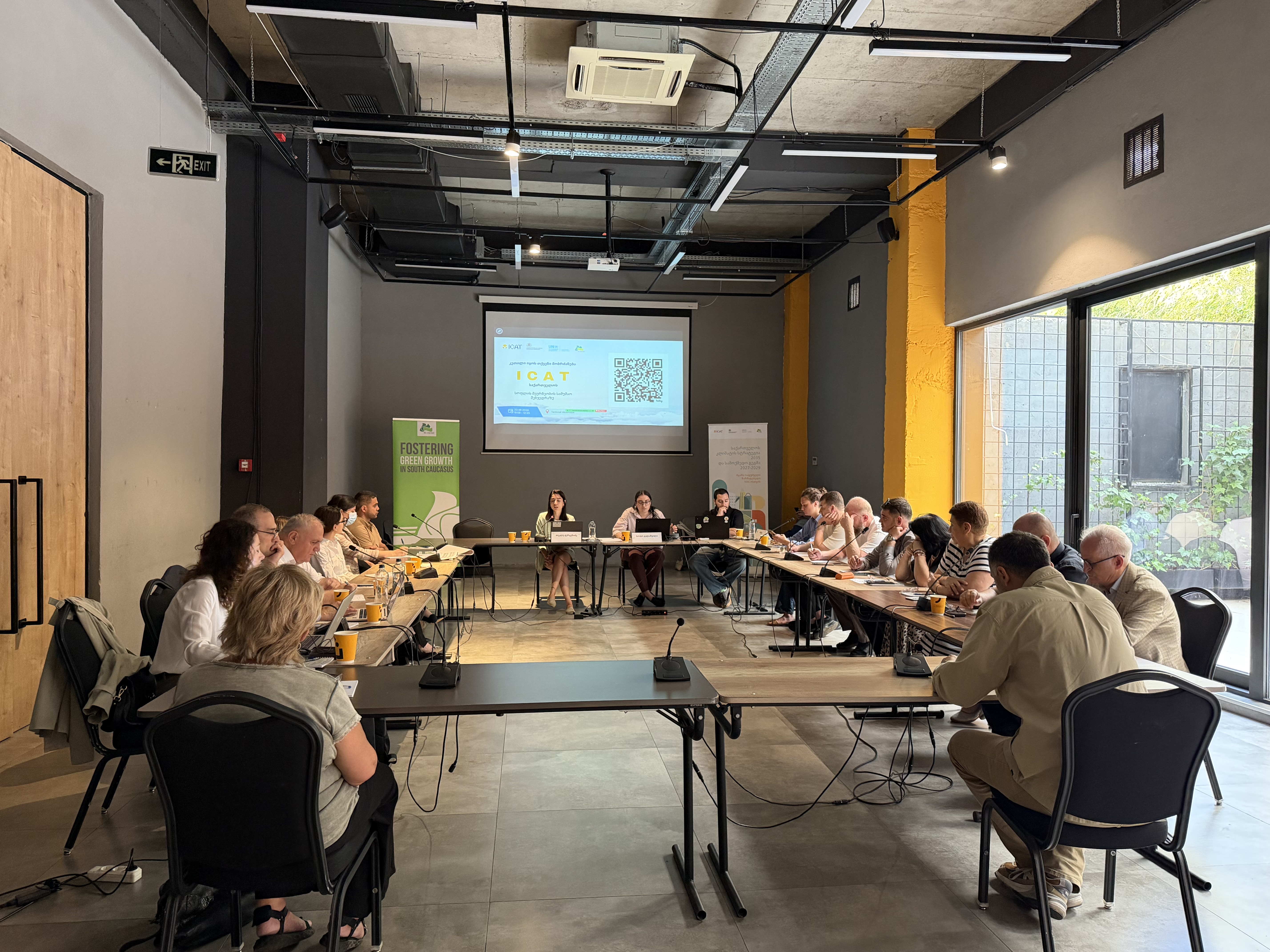
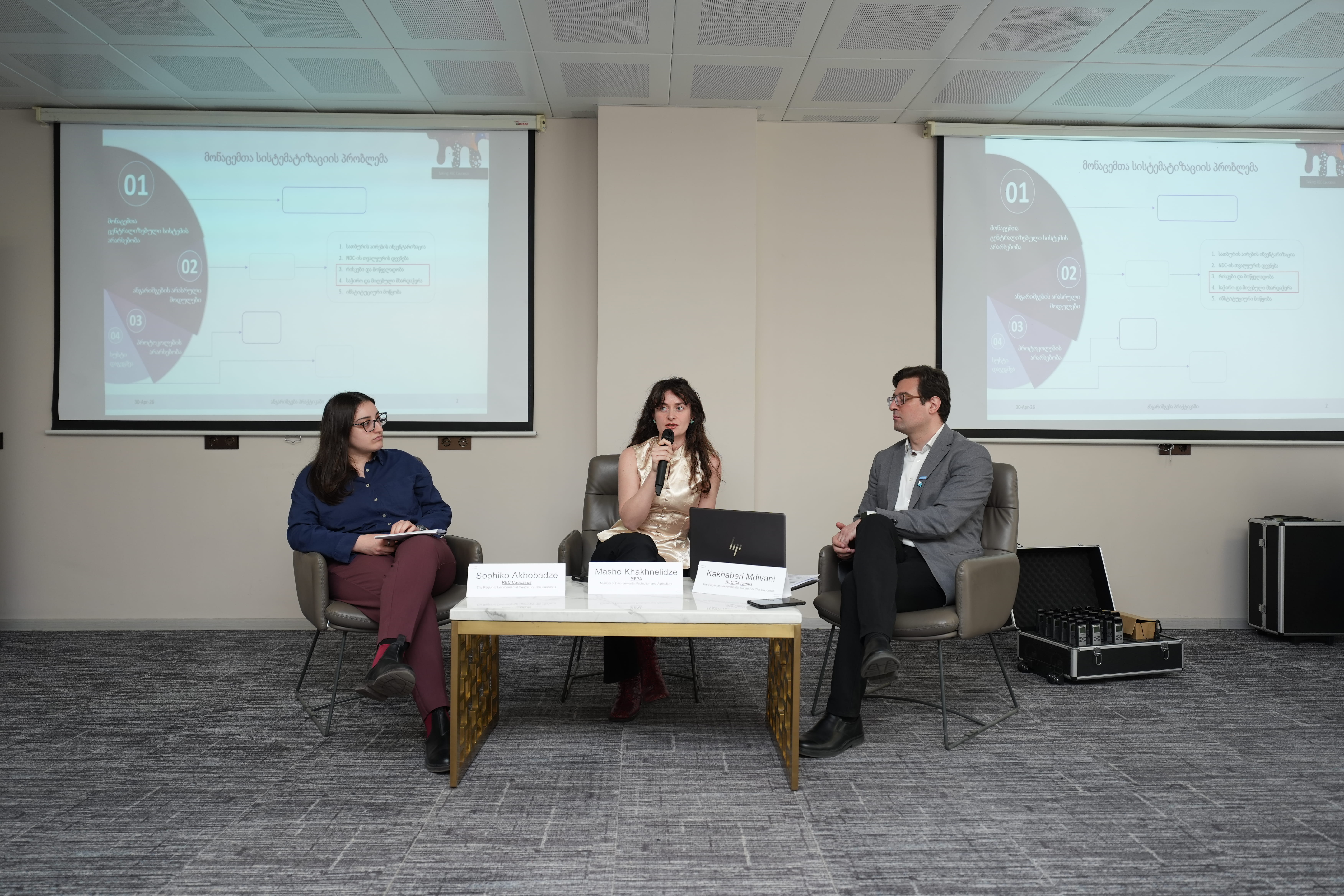
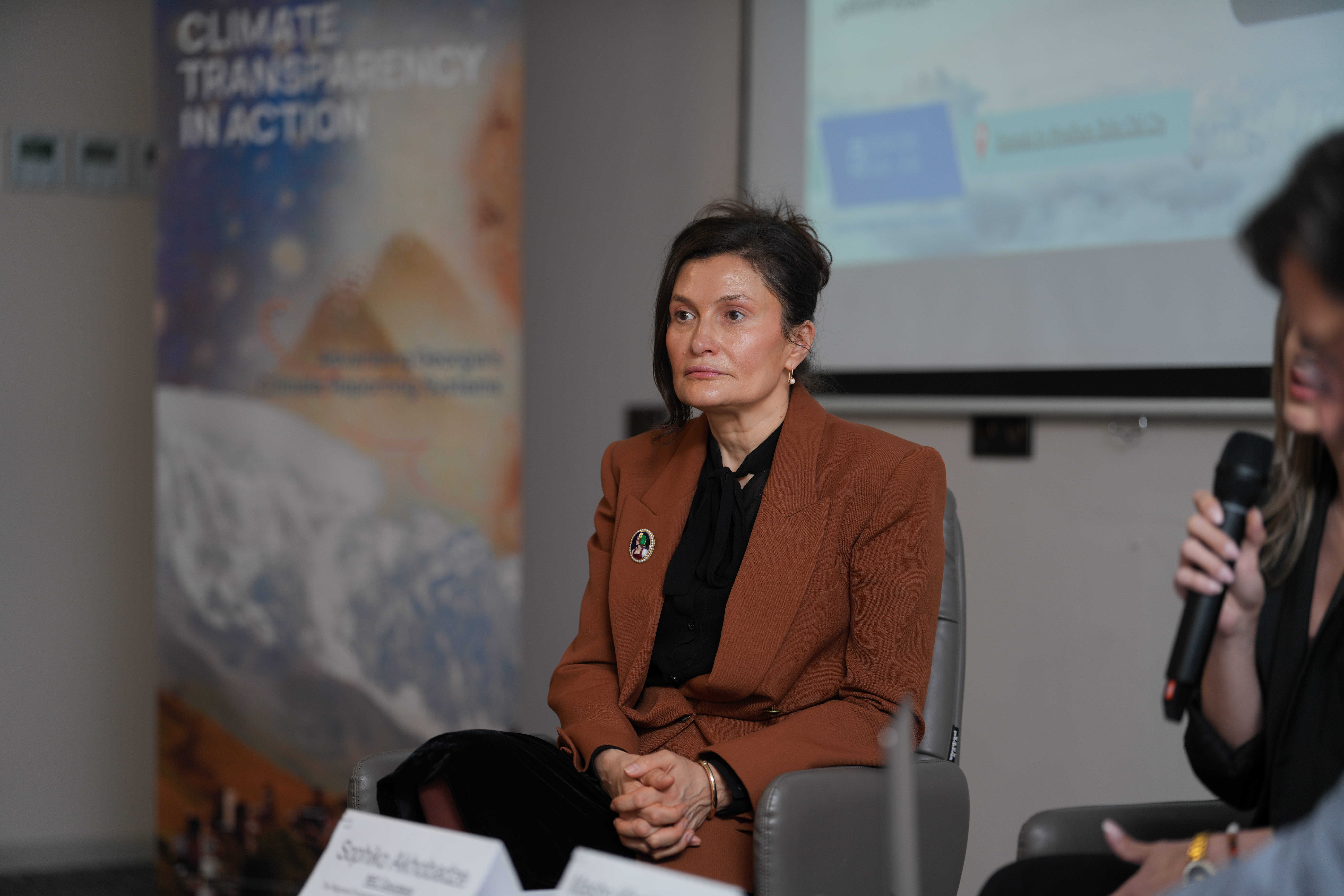
The hybrid Inception Workshop brought together nearly 100 representatives from central government, municipalities, civil society organizations, academia, and international partners. Participants included representatives from seven ministries, state agencies, research institutions, environmental organizations, and independent experts working in the fields of energy, waste management, agriculture, forestry, and gender equality.
"The project focuses on strengthening the entire climate data management cycle," said Sophiko Akhobadze, Executive Director of REC Caucasus. "The successful implementation of the first phase (CBIT 1) created a solid foundation, and we believe this new phase will further enhance Georgia’s climate transparency and reporting system."
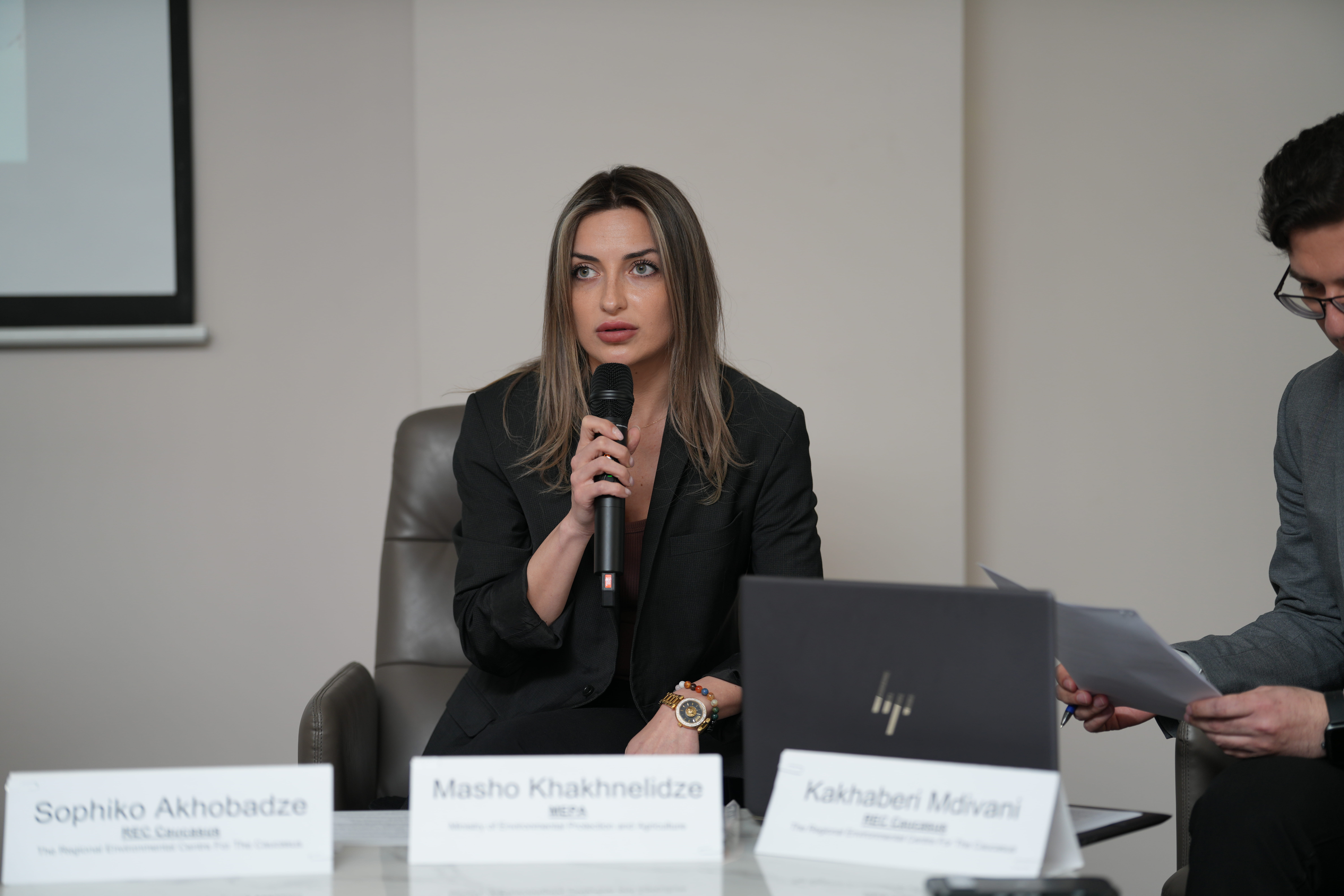
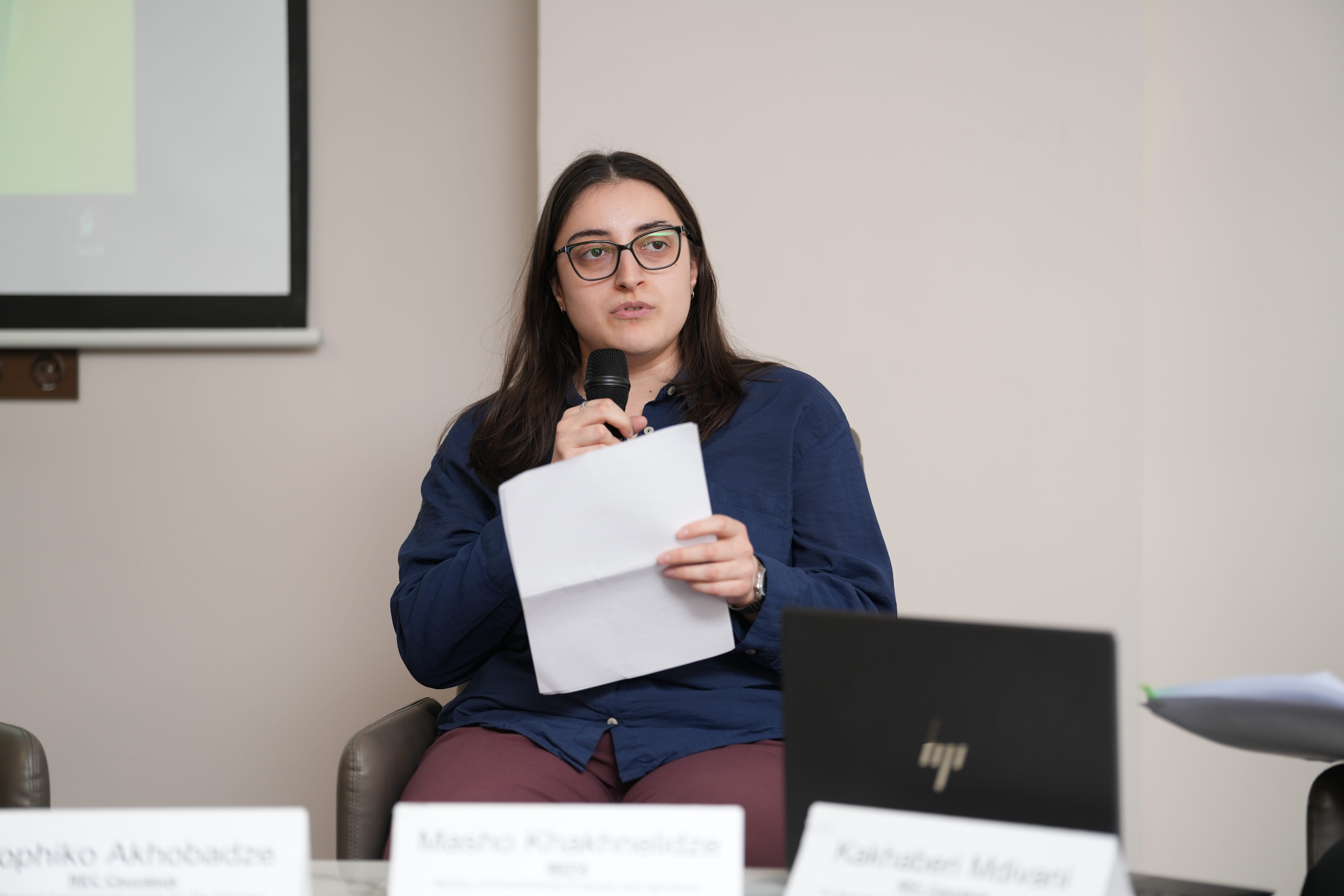
Masho Khakhnelidze, Head of the Climate Change Division at MEPA, emphasized the importance of coordinated institutional cooperation:
"Developing a unified platform will help eliminate existing gaps and improve public access to climate information."
Katarina Barunica, Manager for the Europe and Central Asia Portfolio at UNEP, thanked REC Caucasus for its effective project management and noted that the new initiative builds on the recommendations of the independent evaluation conducted under the first phase of the project. She also reaffirmed UNEP’s commitment to supporting Georgia over the next three years in strengthening its climate transparency framework and meeting international reporting requirements.
The project will focus on several key priorities, including the establishment of a National Transparency Platform (NTP)to improve climate data collection, management, and processing; the development of more efficient data management and archiving systems; and the removal of institutional barriers through stronger cooperation among government institutions, academia, and civil society, while integrating gender considerations throughout the process.
During the workshop, participants discussed the key challenges facing Georgia’s climate reporting system, including the need for a centralized digital platform and stronger institutional capacity. The project will provide technical assistance and targeted training to specialists involved in preparing future Biennial Transparency Reports (BTRs), helping ensure high-quality reporting in line with international standards.
About the Project
"Transparency in Action: Advancing Georgia’s National Climate Reporting System" is implemented by REC Caucasus with funding from the Global Environment Facility (GEF) and support from the United Nations Environment Programme (UNEP). The project aims to strengthen Georgia’s national climate transparency system and support the country in fulfilling its international climate reporting obligations under the Paris Agreement.



_1785328354.jpeg)
_1785328354.jpeg)
_1785328354.jpeg)
_1785328354.jpeg)
_1785328354.jpeg)